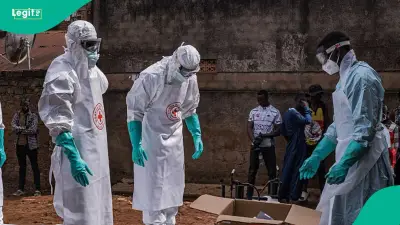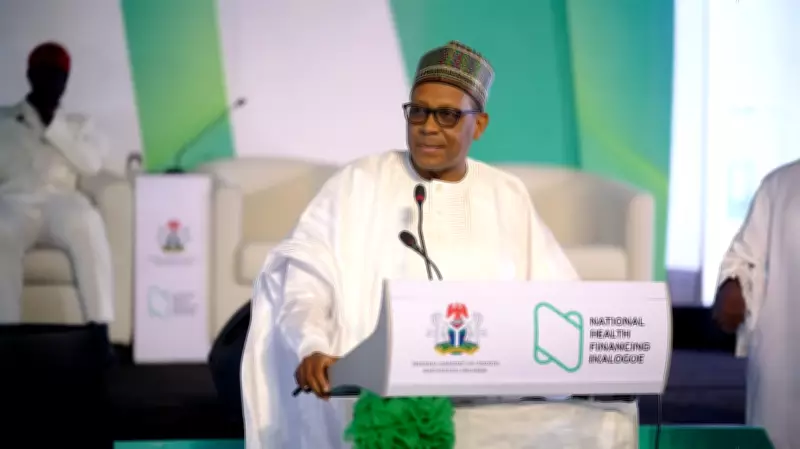
The Federal Government, in partnership with the European Union (EU) and the World Health Organisation (WHO), yesterday launched a €4.2 million (approximately N6.7 billion) initiative to strengthen Nigeria’s capacity to detect and respond to disease outbreaks.
EU SPIN Programme Unveiled in Abuja
The four-year programme, known as EU Support to Public Health Institutes in Nigeria (EU SPIN), was unveiled in Abuja at a gathering of health experts, senior government officials, and development partners. It is expected to strengthen the core functions of selected public health institutions to improve early detection of outbreaks, enhance information sharing, and reduce the impact of poor health outcomes across the country.
Minister Highlights Significance
Minister of State for Health and Social Welfare, Dr Iziaq Adekunle Salako, who spoke at the launch, described the initiative as a major intervention for Nigeria’s healthcare system. “This initiative is designed to strengthen our health institutions, and it is a welcome development. It will improve the well-being of Nigerians, especially vulnerable populations. We appreciate the European Union and the World Health Organisation for their support, which aligns with the Renewed Hope Agenda. Our commitment to equitable healthcare and prosperity for all remains unwavering,” Salako said.
The minister said that Nigeria continues to face a significant and complex burden of disease, characterised by the coexistence of persistent communicable diseases and a rapidly rising burden of non-communicable diseases. He noted that infectious diseases, such as malaria, tuberculosis, HIV, and recurrent infectious disease outbreaks, remain major public health concerns, while non-communicable diseases like hypertension, diabetes, cancers, and mental health conditions are increasingly straining our health system.
According to him, addressing this evolving burden requires strong public health intelligence, prevention-focused policies, and coordinated data-driven action, underscoring the importance of strengthening national public health institutions and leveraging partnerships like the one being provided through the EU SPIN Project. Salako observed that a substantial part of the health infrastructure in Nigeria is publicly owned, contributing close to 50 per cent of the health service needs of the people, adding that the public health infrastructure owned by the federal, state and local councils includes over 30,000 primary healthcare centres, 4,000 secondary health facilities and over 200 tertiary health institutions.
EU and WHO Perspectives
The EU Ambassador to Nigeria, Gautier Mignon, emphasised that through EU SPIN, the European Union is investing in strong, digitally enabled public health institutions in Nigeria. He stated that the partnership reflects a shared commitment to health security and sustainable systems strengthening. Also, WHO Representative in Nigeria, Dr Pavel Ursu, said: “By improving coordination, skills, and digital tools, the project will help protect lives and keep communities healthier.”