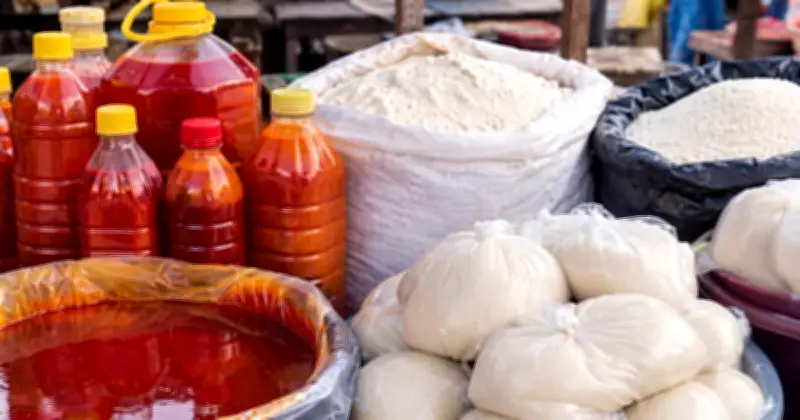
The National Agency for Food and Drug Administration and Control (NAFDAC) has clarified that it does not have direct regulatory oversight over unbranded palm oil, fufu and other traditionally packaged staple foods sold in open markets across Nigeria. The agency’s food safety mandate primarily covers processed and packaged products, according to its Director-General, Prof. Mojisola Adeyeye.
NAFDAC’s Regulatory Scope Explained
Speaking during a media briefing on the agency’s efforts to tackle suspected counterfeit, adulterated and unsafe products, Adeyeye explained that NAFDAC’s responsibilities are focused on processed and packaged items. These include inspection of facilities, product sampling, laboratory testing, compliance monitoring, post-market surveillance, complaint investigation, product verification, recalls and enforcement.
She stated that the agency does not have “direct and absolute regulatory oversight” over unbranded palm oil, fufu and other staple foods that are traditionally packaged and sold in open markets. Adeyeye added that state and local authorities also have roles to play in monitoring such products.

Concerns Over Adulteration and Harmful Chemicals
Adeyeye raised concerns about the safety of some food products following reports of adulteration and the use of harmful substances during production. “The adulteration of palm oil with azo dyes and other hazardous contaminants has been observed, particularly in palm oil packaged and presented in traditional forms,” she said.
She also noted reports of producers adding chemicals to staple foods such as fufu. “Fufu and other staple foods are also reported to be produced by adding bleach and other chemicals injurious to human health,” Adeyeye said.
Consumer Reporting and Complaint Channels
The NAFDAC boss urged consumers to report suspected unsafe or counterfeit products through the agency’s official complaint channels rather than relying only on claims circulating on social media. She disclosed that NAFDAC received 225 complaints about suspected counterfeit products in August, adding that the agency receives more than 200 complaints from Nigerians every month through its reporting channels.
“Counterfeiters are not ghosts; they exist within our communities, neighbourhoods, and business premises,” Adeyeye said, urging Nigerians to provide information that can help the agency investigate suspected violations.
Enforcement and Collaboration
NAFDAC stated that where violations fall within its mandate and are established through investigation, the agency can seize, recall or dispose of affected products and take enforcement action against offenders. The agency also stressed the need for stronger collaboration between federal, state and local authorities to improve food safety monitoring, especially within informal markets where many traditionally packaged food items are sold.
The clarification comes amid growing public concerns over food safety, with discussions around possible adulteration of everyday food items including palm oil, fufu and other staples commonly bought from open markets.