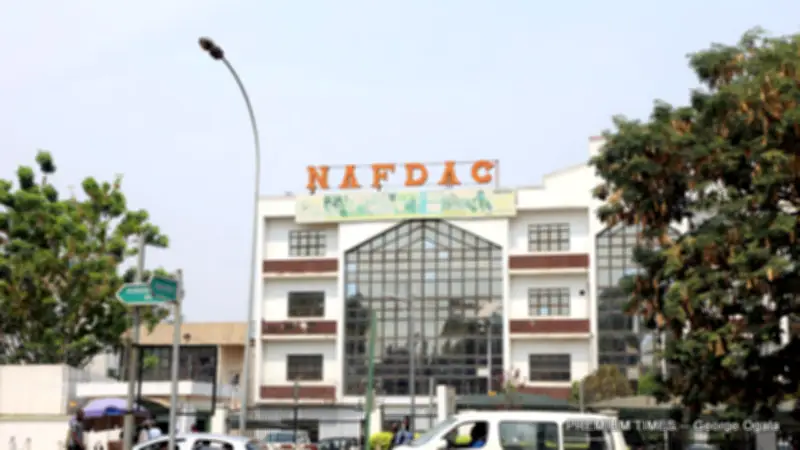
The National Agency for Food and Drug Administration and Control (NAFDAC) has declared that it will not reverse its decision to ban small-volume alcoholic drinks, even as enforcement operations targeting producers and distributors are already underway in the South-east region.
The Zonal Director, South-east, Festus Ukadike, made this reaffirmation in an interview with the News Agency of Nigeria (NAN) in Enugu on Friday. He stated that the crackdown has already begun, with arrests and seizures effected across several states, including Enugu, Imo, Abia, Ebonyi and Anambra.
Enforcement Underway in the Southeast
Ukadike explained that the agency is currently targeting manufacturers and distributors of small sachet alcoholic drinks. According to him, the next stage after the ongoing enforcement is to mop up the remaining alcoholic products currently in the market. This phased approach, he noted, is designed to ensure that the ban is implemented comprehensively and leaves no room for evasion.
The NAFDAC official also dismissed concerns that businesses would be adversely affected by the ban. He clarified that companies can still produce alcohol in volumes not less than 200ml per bottle. This means that while the sale of sachet and small pouches of alcohol is prohibited, larger bottle formats remain legally permissible, allowing manufacturers to continue their operations without a complete shutdown.
Rationale: Protecting Children and Public Health
At the heart of NAFDAC's decision is the need to safeguard Nigerian children from unhealthy drinking habits. Ukadike emphasised that the health of children was a deciding factor informing the agency's stance on sachet alcohol. He argued that exposure to cheap, easily accessible alcohol in small sachets has contributed to a culture of underage drinking and antisocial behaviour.
"If our children are no longer exposed to sachet alcohol, they will live healthier lives, curb antisocial behaviours and promote the country’s fight against cancer and other terminal diseases," he said. The quote underscores the broader public health agenda behind the regulatory action, linking alcohol consumption to long-term health risks.
Affordability and Public Health Considerations
Responding to concerns over affordability, the NAFDAC director said that public health considerations outweighed commercial interests. Some consumers have argued that the ban will make alcohol less affordable for low-income earners who rely on sachet drinks due to their low price point. However, Ukadike maintained that the social cost of alcohol abuse, particularly among the youth, far exceeds any economic benefit.
He advised consumers to control their alcohol intake, adding that missing out on sachet alcohol is not a terrible thing. He also projected that within 12 months, Nigeria should expect a standard regulatory landscape in which there would be no alcohol in any packaging less than 200ml. This timeline gives producers ample opportunity to adjust their packaging and production lines.
Mixed Reactions From Consumers
Meanwhile, consumers of sachet drinks expressed mixed reactions to the ban. While some welcomed it as a necessary measure to protect public health and safety, others lamented that it would further restrict access to affordable alcohol for low-income earners.
A consumer, Charles Otubo, said the ban should only be introduced in motor parks to prevent highway accidents. He suggested that the primary danger of sachet alcohol lies in its consumption by drivers and motorists, which could lead to reckless driving and accidents. Another consumer, identified simply as Godwin, recounted seeing school children buying the sachet drinks, putting them in their school bags, and taking them to school. He argued that the drinks should be sold at special liquor stores to prevent easy access by minors.
NAFDAC's Commitment to a Healthier Nigeria
NAFDAC's latest reaffirmation is part of a broader regulatory crackdown on unhealthy products. The agency has consistently prioritised public health, and the ban on sachet alcoholic drinks is seen as a continuation of its mandate to ensure the safety of food and drugs in Nigeria. With enforcement already making arrests and seizures in the Southeast, the agency is signalling that it will not back down despite consumer criticism.
As the 12-month timeline unfolds, all eyes will be on how manufacturers adapt to the new regulatory reality. For now, NAFDAC remains resolute: the ban is in place, and there is no going back.