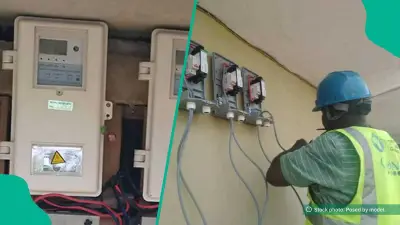
A recent study has found that Nigeria's renewable energy push, while increasing electricity access, is inadvertently creating new forms of injustice, particularly for low-income communities and informal workers. The research, conducted by the University of Sussex and the University of Ibadan, highlights that the benefits of solar and wind projects are not evenly distributed.
Inequitable Distribution of Benefits
The study, published in the journal 'Energy Research & Social Science', analyzed 12 renewable energy projects across Nigeria. It found that while these projects have expanded energy access to over 200,000 people, they have also led to land displacement and loss of livelihoods for some local communities.
According to the lead researcher, Dr. Chukwuma Nwosu, "The transition to renewable energy is essential, but it is not inherently just. We are seeing that the poorest and most vulnerable are often the ones bearing the costs."
Impact on Informal Workers
Informal workers, such as street vendors and small-scale farmers, are disproportionately affected. The study notes that solar installations often occupy land previously used for farming, and the construction of wind farms has disrupted fishing activities along coastal areas.
Furthermore, the study points out that the new green jobs created are mostly skilled positions, leaving unskilled workers behind. The researchers call for policy interventions that ensure a 'just transition' for all.
Policy Recommendations
The study recommends that the Nigerian government and private investors establish mechanisms for community engagement and compensation. It also suggests that training programs be implemented to equip local workers with the skills needed for new energy jobs.
"Unless we address these inequities, the renewable energy transition will only deepen existing social divides," added Dr. Nwosu. The findings come as Nigeria aims to achieve universal energy access by 2030, with renewables expected to play a significant role.