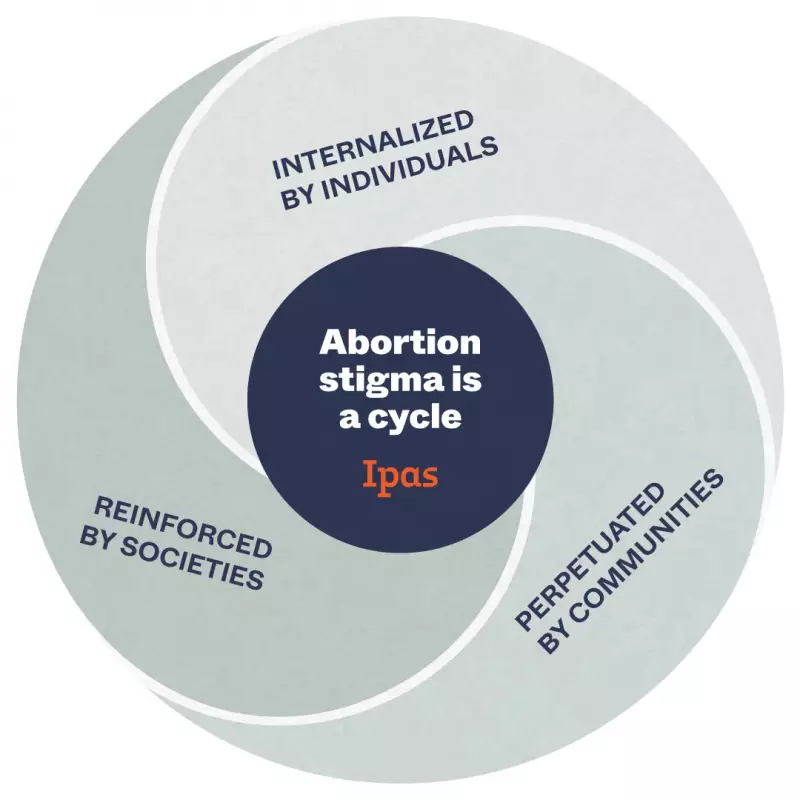
Experts in Nigeria are sounding the alarm on the persistent and damaging stigma surrounding abortion, calling for urgent action to shift societal attitudes and reform restrictive laws. A new analysis highlights how this stigma harms women, healthcare workers, and advocates, creating a major barrier to safe reproductive care.
The Many Faces of Abortion Stigma in Society
According to researchers from the Leadership Initiative for Youth Empowerment (LIFE), abortion stigma is a widespread social process that discredits anyone connected to the procedure. This stigma operates at multiple levels of Nigerian society, based on an extensive review of existing social research.
The impact is far-reaching. It affects not just women who have undergone abortions, but also the doctors and nurses who provide them, as well as partners, family members, friends, and pro-choice supporters. This often forces individuals to hide their experiences, leading to serious emotional distress and social isolation.
LIFE experts point to several deep-rooted reasons for this stigma. Abortion is frequently seen as contradicting cultural ideals of womanhood, which emphasize motherhood and sexual purity. Furthermore, the common portrayal of the fetus as a person through ultrasound technology and anti-abortion campaigns reinforces the idea that ending a pregnancy is morally wrong.
Restrictive Laws and the Call for a Public Health Approach
The legal landscape in Nigeria significantly compounds the problem. Funmi Adeyemi, a reproductive health lawyer with LIFE, noted that Nigeria's abortion law is based on outdated colonial-era penal codes. She explained that while the law permits abortion to save a woman's life, it fails to clearly define what constitutes a life-threatening condition. This ambiguity leaves both women and healthcare providers in a state of legal uncertainty and fear of prosecution.
Dr. Ayoade Olatunji, a reproductive health researcher at the University of Ibadan, argues for a fundamental change in perspective. He urges Nigeria to move away from viewing abortion through a lens of moral panic and instead adopt a public health framework. Dr. Olatunji describes abortion as a health issue, not a moral failing, and recommends integrating comprehensive reproductive rights education into both secondary school curricula and medical training programmes.
Strategies for Change: Normalisation, Advocacy, and Research
In response to these challenges, LIFE has outlined a multi-faceted strategy to reduce stigma and improve access to care. Their recommendations include:
- Normalising abortion in public conversations to challenge misconceptions.
- Creating advocacy networks and safe spaces to support women and providers.
- Engaging popular media to accurately portray abortion as a common and legitimate healthcare procedure.
- Pursuing legal reforms that reflect current medical realities and human rights standards.
The group also highlighted the importance of careful language, advising against labelling some abortions as "good" and others as "bad," as this can unintentionally reinforce stigma. They champion expanded training initiatives, like the Family Planning Fellowship, to integrate abortion care into mainstream medicine and reduce stigma among health professionals.
The LIFE team concluded that tackling abortion stigma is critical not only for the well-being of individuals but for achieving equitable healthcare and social justice in Nigeria. They called on policymakers and healthcare institutions to heed their recommendations and take decisive action.