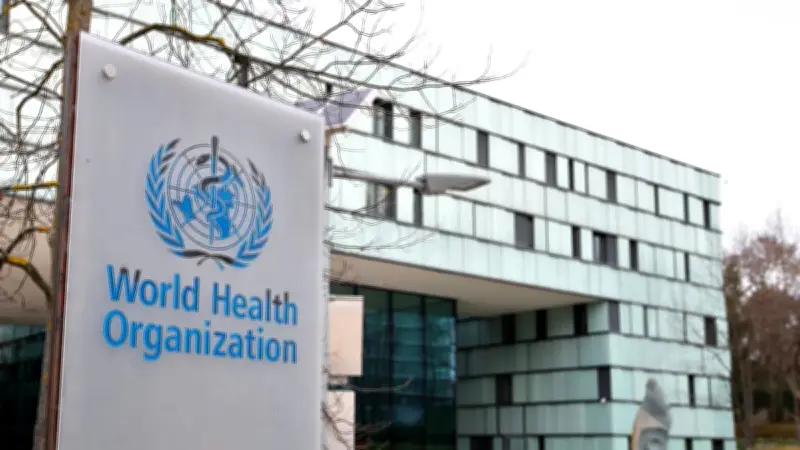
The World Health Organisation (WHO) has recommended that the Ervebo vaccine be prioritised for a randomised clinical trial against Bundibugyo virus disease in the Democratic Republic of Congo (DRC). This decision follows preliminary animal study data suggesting that Ervebo may offer some cross-protection against the disease, particularly in reducing deaths.
WHO's Technical Advisory Group Recommendation
WHO's Technical Advisory Group on Candidate Vaccine Prioritisation made the recommendation at its third meeting on 31 July, after reviewing available evidence on the vaccine's safety, efficacy, availability, and feasibility. The development comes as the DRC continues to respond to an outbreak of Ebola disease caused by the Bundibugyo virus, which was declared on 15 May 2026.
As of 30 July, WHO had recorded 3,605 confirmed cases and 1,587 deaths from the outbreak in the DRC. The case fatality rate in this outbreak is approximately 44%, consistent with previous Bundibugyo virus disease outbreaks.
Why Ervebo is Being Considered
The advisory group's recommendation is significant because Ervebo was developed specifically against Ebola virus disease caused by the Ebola Zaire virus, rather than the Bundibugyo virus. According to WHO, the group initially advised against using Ervebo outside carefully designed research settings because its effectiveness against Bundibugyo virus disease remained uncertain.
However, preliminary animal study data indicate that Ervebo may confer some cross-protection against Bundibugyo virus disease, particularly by reducing mortality. The latest evidence prompted the advisory group to recommend that Ervebo be prioritised for a randomised clinical trial to determine its effectiveness against the disease.
What is the Bundibugyo Virus?
The Bundibugyo virus causes Ebola disease. It is distinct from the Ebola virus that Ervebo was specifically developed to protect against. The Bundibugyo virus disease outbreak in the DRC is the first of its kind in the country. WHO says there is currently no licensed vaccine or specific treatment for Bundibugyo virus disease.
The disease is a severe infection, and previous Bundibugyo virus disease outbreaks have recorded case fatality rates ranging from 30 to 50 per cent, according to WHO. The ongoing outbreak in DRC has already resulted in a significant number of deaths, highlighting the urgent need for effective interventions.
Safety Concerns and Next Steps
According to WHO, the advisory group found no identified safety concerns with the use of Ervebo among contacts of confirmed cases during a Bundibugyo virus disease outbreak. However, the experts stressed that the vaccine's effectiveness against Bundibugyo virus disease and its ability to prevent transmission have not been established. They therefore recommended that these questions be evaluated through clinical research.
WHO said a vaccine specifically developed against the Bundibugyo virus would remain the preferred option, although preliminary data on such candidates are currently unavailable. The advisory group also emphasised the need to facilitate large-scale vaccine production and access if future evidence demonstrates sufficient efficacy to protect affected populations.
The recommendation marks a critical step in the global response to the DRC outbreak, as health authorities seek to contain the spread of the virus and reduce mortality. The randomised clinical trial will be crucial in determining whether Ervebo can be effectively deployed in this context.