The Gavi Vaccine Alliance has warned that progress against malaria and cervical cancer is under threat due to funding constraints. This may disrupt malaria and Human Papillomavirus (HPV) vaccination programs in lower-income countries in the coming years.
Malaria vaccine progress
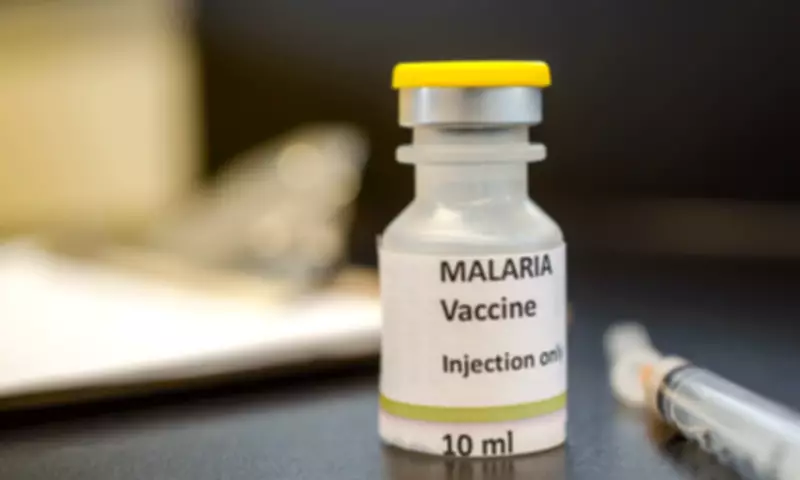
In a statement marking the 2026 World Malaria Day, Gavi noted that through its supported malaria vaccine programme, implemented by countries in partnership with the World Health Organization (WHO), UNICEF, and other bodies, more than 52 million doses have been delivered since 2023. These doses reached some of the world's highest-burden, fragile, and operationally complex settings.
Gavi disclosed plans to make malaria vaccines available to 50 million children across Africa by 2030. Malaria vaccines are already routinely available in 25 African countries, with early reports highlighting strong impact, including lives saved, reduction in severe disease, and fewer hospital admissions.
Early reports from Kenya, Malawi, Ghana, and Cameroon show reduced severe disease and hospital admissions, reinforcing pilot data. The same pattern is visible in Burkina Faso, where the vaccine has been introduced and expanded nationwide to all 70 health districts.
Alongside other control measures, these efforts have contributed to a 32 percent decline in reported malaria cases between 2024 and 2025, including sharp reductions in cases among children under five, and nearly halved malaria-related child deaths.
Funding shortfall warning
Despite the progress Africa has recorded in recent years, Gavi warned that accomplishments could be eroded if investment and mobilisation of domestic resources for immunisation are not prioritised. The malaria programme faces a nearly 30 percent budget shortfall, which has led to a scale back in support. Bridging this gap and protecting as many vulnerable children as possible will require additional domestic and donor financing.
The statement added: “This progress is at risk. While lower-income countries continue to mobilise record financing for immunisation, sustained prioritisation of investment in immunisation and increased domestic resource mobilisation as advocated for by the Alliance and partners such as the Africa Centres for Disease Control and Prevention (Africa CDC), it will be critical to maintain progress and achieve the full potential of these critical life-saving programmes.”
HPV vaccine impact
Gavi pointed out that the introduction of malaria and HPV vaccines is providing vital protection for children, young girls, and women. HPV vaccines have helped avert close to one million cervical cancer deaths in 29 African countries as of 2024. Some of the 25 countries providing the malaria vaccine are reporting strong early impact, such as reduced severe disease and hospitalisation.
“HPV vaccination will help avert nearly one million cervical cancer deaths and produce an estimated US$ 1.8 billion in economic gains across African implementing countries,” Gavi said.
Recent HPV national introductions and multi-age campaigns in Nigeria, Ghana, Ethiopia, and Angola have reached millions of girls within weeks, often through school-based and integrated delivery models, even as health systems responded to other outbreaks and competing priorities.
Since 2019, the number of African countries with HPV vaccination programmes has increased from 12 to 35, and coverage rates have risen from five percent (in 2014) to 47 percent (in 2024) – placing the region second globally in terms of coverage, behind only the Americas. Across Africa, HPV vaccination has generated an estimated US$ 1.8 billion in economic benefits through avoided treatment costs, productivity gains, and lives saved.
Sustaining momentum
To translate this momentum into sustained impact, WHO is working with partners and governments to reinforce the operational systems that underpin malaria vaccine rollout. Regional political platforms, including the Economic Community of West African States Assembly, provide an important space for sustained ministerial engagement as countries move from introduction to long-term programmatic integration.
In the 2026–2030 period, HPV and malaria programmes, alongside other Gavi-supported vaccines, will be financed for the first time through country vaccine budgets. Gavi is handing decision-making over 90 percent of its procurement budget directly to countries. In a time of funding constraints, this approach aims to provide governments a five-year resource view and control over which vaccines to prioritise based on national strategy, context, and needs. However, due to funding gaps, countries will have to make difficult choices that Gavi estimates will lead to 600,000 fewer lives saved by the end of the decade.