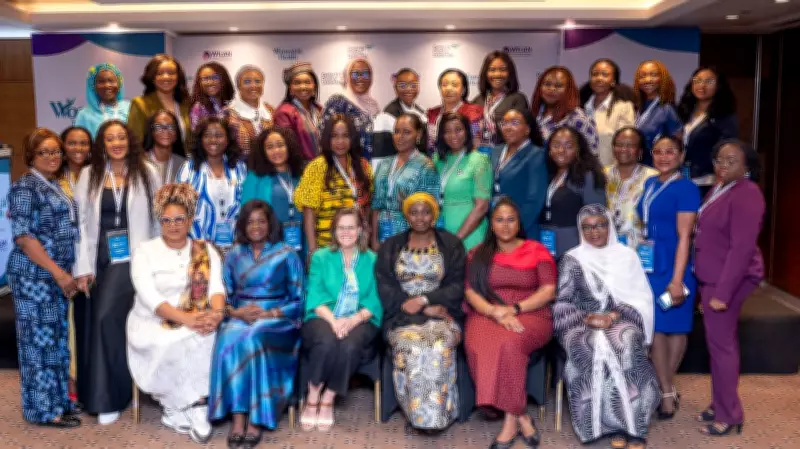
29 Women Complete Leadership Programme to Strengthen Nigeria's Health Sector
Twenty-nine women leaders across Nigeria's health sector have successfully completed a comprehensive year-long leadership development programme designed to strengthen their influence and enhance health outcomes throughout the nation. The 2025 Nigeria Leadership Journey, delivered through a strategic partnership between WomenLift Health and the Women in Leadership Advancement Network (WILAN), concluded with a significant two-day Lift-Off event held in Abuja.
Addressing Leadership Imbalance in Healthcare
The programme specifically targeted mid-career women already working within Nigeria's health system, equipping them with essential skills to deepen their leadership capacity, amplify their professional voice, and expand their networks to contribute more effectively to critical decision-making processes. This initiative comes at a crucial time, as women constitute a substantial portion of Nigeria's health workforce, particularly in frontline roles, yet leadership positions remain predominantly occupied by men.
This leadership imbalance represents a critical challenge for a country that accounts for nearly 20 percent of global maternal deaths, underscoring the urgent need for more inclusive leadership to improve maternal health outcomes and broader healthcare delivery across Nigeria.
Government Support and Program Structure
During the opening ceremony, the Minister of Health, Muhammad Ali Pate, represented by Permanent Secretary Daju Kachollom, emphasized that Nigeria's health system cannot achieve its full potential without inclusive and representative leadership. "When women lead, maternal mortality becomes more than a statistic—it becomes a mission," Pate stated. "When women lead, primary healthcare is not just infrastructure, it becomes a lifeline. And when women lead, communities do not just receive services, they receive dignity."
Over the twelve-month duration, participants engaged in a multifaceted curriculum including in-person residencies, virtual learning sessions, personalized coaching, mentorship opportunities, and practical leadership projects specifically designed to strengthen their leadership identity and build confidence to influence decisions within their organizations and communities. The programme also enabled participants to develop innovative initiatives and form strong peer networks across various health sector domains.
Organizational Perspectives and Future Plans
President of WomenLift Health, Amie Batson, noted that this initiative reflects a broader global pattern where women play central roles in healthcare delivery but remain significantly underrepresented in leadership positions. "Across countries, we see the same pattern: women are central to healthcare delivery but underrepresented in leadership," Batson explained. "This partnership reflects a shared conviction that the future of health in Nigeria and across Africa will be shaped by women leaders who are supported to step fully into their influence."
Founder and Executive Director of WILAN, Abosede George-Ogan, added that the programme focuses on amplifying the contributions of women already working within the health system. "This is not just about developing leaders, it is about amplifying the impact of women who are already shaping the system," she said. "We are building a pipeline of confident, connected leaders who are ready to influence decisions and drive change where it matters most."
Following the success of the 2025 cohort, both organizations plan to expand the Leadership Journey in 2026 with a specific focus on midwifery leadership, recognizing the crucial role of frontline health workers in improving maternal and newborn health outcomes across Nigeria.