The Lagos State Government has launched a grassroots campaign to encourage residents to donate blood regularly, as it seeks to improve the availability of safe blood for patients across the state. The campaign, coordinated by the Lagos State Blood Transfusion Service (LSBTS), targets 10 of Lagos’ 20 local government areas and aims to make voluntary blood donation a regular habit rather than something people turn to only when a relative or friend needs blood urgently.
Campaign kicks off in Eti-Osa with advocacy walk
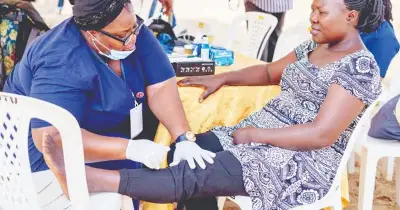
The campaign began on Monday with an advocacy walk and one-on-one sensitisation at Jubilee Bridge and Jubilee Market in Ajah, in the Eti-Osa Local Government Area. The Executive Secretary of the LSBTS, Dr Bodunrin Osikomaiya, said the Eti-Osa exercise was the first of 10 advocacy and sensitisation programmes planned across the state.
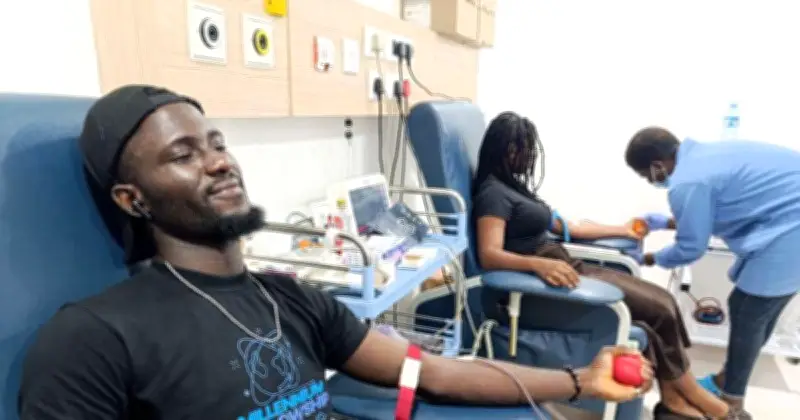
The government said residents can donate through a mobile blood collection unit at campaign venues or at designated government hospitals. The campaign will extend to Ojo, Ibeju-Lekki, Badagry, Epe and Lagos Island, among other locations. However, the government has not publicly identified all 10 LGAs in the information released so far.

Support for blood collection at Maternal and Child Centre
At the Maternal and Child Centre, Eti-Osa, Osikomaiya presented blood bags, gloves, sample bottles, donor forms, information materials and voluntary blood donation cards to support blood collection. The government said donors who issued the voluntary blood donation card would be entitled to receive blood without out-of-pocket payment when needed.
The Medical Director of the centre, Dr Olufemi Aletan, said the partnership with the LSBTS had highlighted the importance of having blood available, particularly for pregnant women and patients experiencing severe bleeding. He said the hospital had previously needed fresh frozen plasma for patients and stressed that timely access to blood could determine whether a patient survived. Aletan also disclosed that the facility was working towards establishing its own independent blood bank.
Nigeria’s blood supply gap and the importance of donation
Nigeria faces a significant gap between the amount of blood available and what hospitals need. The World Health Organisation (WHO) says Nigeria needs an estimated 1.8 million to 2 million units of blood annually, but official figures show that only 371,827 units were collected in 2024.
WHO recommends expanding regular, voluntary and unpaid blood donation to help close the gap. Blood is essential during childbirth complications, surgery, serious injuries and treatment of conditions involving severe bleeding. WHO notes that postpartum haemorrhage is responsible for about 23–30% of maternal deaths in Nigeria, making reliable access to blood particularly important.
Who can donate and how to register
Lagos’ official Haemocentral platform says prospective donors should generally be in good health, aged 17 to 65 and weigh at least 50kg. Donors undergo additional assessments at the donation centre before blood is collected.
Residents can register online through the Lagos State blood donation platform, which also allows donors to find donation centres, manage appointments and view their donation history. The state says the actual collection takes about 3–5 minutes, although screening and the complete donation process take longer.
One repeat donor, Olawale Alaba, who has donated blood 13 times, urged eligible residents to donate regularly instead of waiting for emergencies. First-time donors Abdullahi Mohammed, Rabiu Abiodun and Gbadamosi Sulaiman also encouraged residents to overcome their fears, with Sulaiman recalling his child's previous need for blood.
The Lagos campaign is ultimately aimed at building a more dependable blood supply so that patients do not have to wait for family members to organise emergency donations before receiving potentially lifesaving treatment.