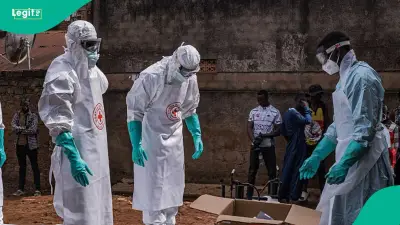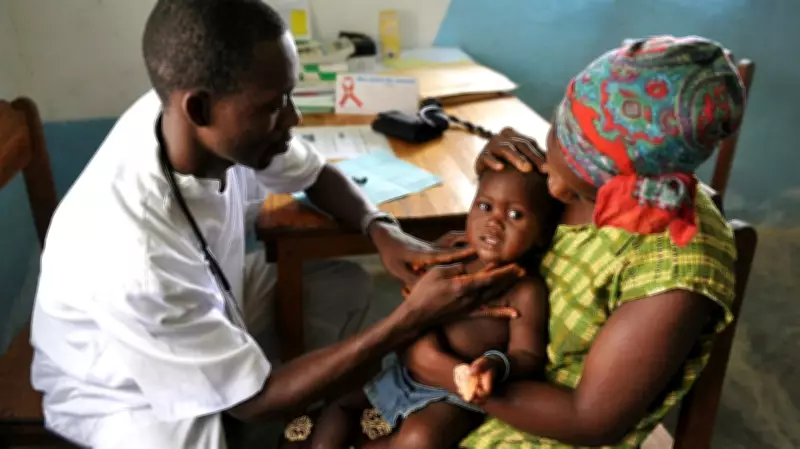
Médecins Sans Frontières (MSF), also known as Doctors Without Borders, has announced that Nigeria recorded the highest number of malnutrition admissions among the 77 countries where the organization operates. This comes as worsening insecurity, climate-related disasters, and rising food prices continue to drive millions into hunger.
Presenting its 2025 Country Activity Report in Abuja, MSF stated that its teams, in collaboration with health authorities, treated more than 440,000 children for malnutrition across Nigeria in 2025. This figure represents the highest admissions recorded by the organization in the country in recent years.
The organization noted that conflict, insecurity, displacement, flooding, drought, and rising food prices have persistently limited access to food and healthcare for many families. Additionally, humanitarian funding cuts are placing extra pressure on already overstretched services in crisis-affected communities.
MSF Country Representative in Nigeria, Dr. Ahmed Aldikhari, emphasized that the scale of malnutrition in Nigeria is unprecedented within the organization's global operations. “The malnutrition cases we had in Nigeria were the biggest in the world, and we are operating in 77 countries,” he said.
According to the report, MSF treated 353,989 children with severe acute malnutrition through outpatient programs, while 90,723 children suffering from acute malnutrition with medical complications were admitted into inpatient stabilization centers in MSF-supported facilities.
MSF teams observed a steady rise in malnutrition cases across several projects in northern Nigeria since 2022, with 2025 recording the highest number of admissions so far. Aldikhari attributed the worsening crisis to climate change, insecurity in northern states regarded as Nigeria’s food basket, poor infrastructure, weak healthcare systems, shortage of medical personnel, low remuneration for health workers, and widening funding gaps.
He noted that malnutrition remains both a cause and a consequence of several preventable diseases affecting vulnerable communities with poor access to healthcare. “We are seeing a vicious cycle where malnutrition is both a cause and a consequence of diseases such as measles, malaria, and diphtheria, especially when healthcare is delayed or inaccessible,” he said.
Beyond malnutrition interventions, MSF treated more than 300,000 malaria cases and assisted over 33,500 deliveries across Nigeria in 2025. The organization stressed the need for stronger investment in emergency maternal healthcare and primary healthcare systems, particularly in underserved communities.
“Timely access to emergency obstetric and newborn care can save lives. There is an urgent need for stronger investment in primary healthcare, referral systems, staffing, equipment, and emergency maternal services, especially in underserved areas,” Aldikhari added.
MSF also underscored the importance of community engagement in improving vaccine acceptance and containing disease outbreaks. MSF has operated in Nigeria since 1996, responding to disease outbreaks, malnutrition, maternal health emergencies, natural disasters, and conflict-related crises. In 2025, the organization ran medical projects in Bauchi, Borno, Cross River, Ebonyi, Jigawa, Kano, Katsina, Kebbi, Sokoto, and Zamfara states, while also establishing a new presence in Kaduna State.