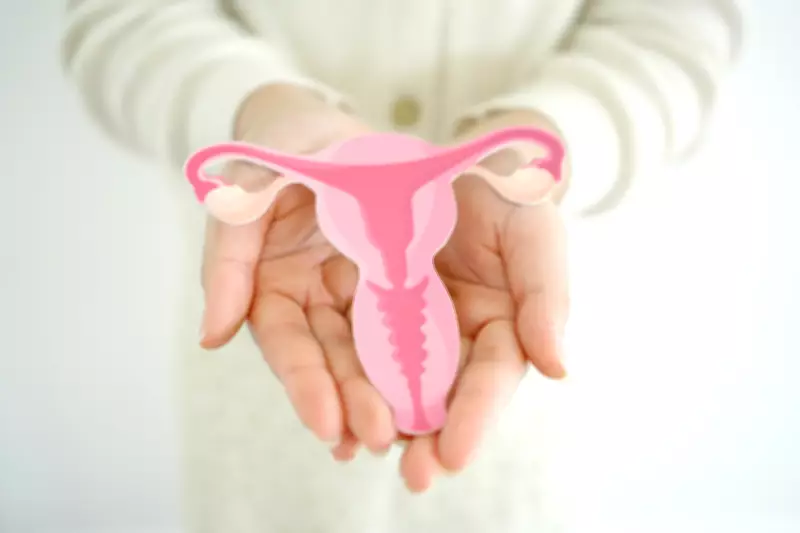
Polycystic Ovary Syndrome (PCOS), a major women's health condition affecting millions globally, has been officially renamed to Polyendocrine Metabolic Ovarian Syndrome (PMOS). This landmark change aims to improve understanding, diagnosis, and treatment worldwide.
Experts have long argued that the term 'Polycystic Ovary Syndrome' was misleading, as it implied the condition was primarily about ovarian cysts. In reality, PMOS is a lifelong hormonal and metabolic disorder with wide-ranging effects on the body.
Why the Name Changed
The renaming follows a 14-year international collaboration involving researchers, healthcare professionals, and patients. The announcement was published in The Lancet, led by experts from Monash University and the International PCOS Network.
Research shows no evidence of increased abnormal ovarian cysts in those diagnosed, making the old name scientifically inaccurate. The focus on ovaries also overlooked broader health impacts, such as insulin resistance, weight changes, and mental health challenges.
What PMOS Stands For
PMOS better reflects the condition's links to hormone imbalance, metabolism, and multiple body systems. Symptoms include irregular periods, fertility difficulties, acne, excessive hair growth, weight changes, insulin resistance, and mental health issues.
Health experts hope the new name will encourage earlier diagnosis and more comprehensive care. PMOS affects about one in eight women globally, yet awareness and diagnosis remain poor. Many patients wait years for answers or struggle to access joined-up care.
Global Collaboration
The renaming process involved 56 patient and professional organizations worldwide. More than 22,000 people contributed through surveys and workshops. Cultural sensitivity was a key factor, especially in countries where reproductive health terms carry stigma.
Campaigners say the old terminology caused confusion among the public and healthcare professionals, often leading to overlooked health risks. The updated name aims to reframe PMOS as a serious endocrine and metabolic condition rather than just a reproductive issue.
Transition Timeline
The transition to PMOS will take place over the next three years, supported by international education campaigns targeting healthcare professionals, researchers, and patients. The new name is expected to be fully adopted in the 2028 update to the International PMOS Guideline.
Healthcare organizations hope the name change will spark wider improvements in research funding, public awareness, and clinical care. Advocates believe clearer terminology could reduce delayed diagnoses and encourage more people to seek medical advice for symptoms that may have been dismissed or misunderstood.