The completion of the Heartland Central Drug Store (CDS) in Owerri represents a strategic intervention that directly addresses some of the most persistent challenges in Imo State's healthcare system. Fully constructed, furnished, and equipped, the facility is designed to serve as a central hub for the wholesale and distribution of pharmaceutical products, including drugs, reagents, medical disposables, and other essential healthcare materials to both public and private hospitals, as well as pharmacies across the state and beyond.
Confronting the Challenge of Fake Drugs
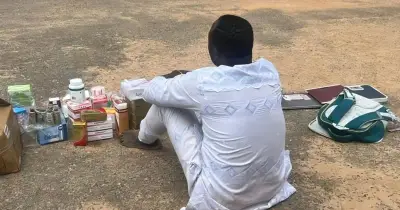
For decades, the challenge of fake and substandard drugs has cast a long and painful shadow over healthcare delivery in Imo State, as it has in many parts of the country. Patients have often borne the consequences, sometimes with avoidable loss of life due to compromised drug quality and weak supply chain regulation. The Heartland Central Drug Store directly confronts this reality by introducing a regulated, traceable, accountable, and transparent distribution system that significantly reduces the circulation of counterfeit medicines in Imo's health system while ensuring that only safe and quality drugs reach health facilities.
Standardizing Drug Pricing
Equally important is its role in standardizing drug pricing, particularly in government-owned hospitals. The era of arbitrary pricing and inconsistent availability will give way to a more structured system, anchored on affordability and access. In practical terms, patients across the state can now expect more predictable costs and improved access to essential medicines.
Improving Supply Chain Efficiency
Beyond these immediate gains, the Central Drug Store introduces a new level of efficiency into the healthcare supply chain. Bulk procurement will reduce costs, centralized inventory management will minimize stock-outs, and strengthened logistics will ensure timely delivery of medical supplies, even in emergency situations. This transparent platform will enhance internally generated revenue for the state, replacing fragmented and opaque systems with accountability-driven operations.
Positioning Imo as a Medical Tourism Hub
Beyond these operational improvements, the CDS and the broader upgrade of healthcare infrastructure in Imo State are positioning the state as an emerging medical tourism hub. With improved access to quality, certified pharmaceuticals, modern medical equipment, and highly competitive pricing, Imo is increasingly attractive not only to patients from neighboring states but also to diasporans and even foreign nationals seeking world-class treatment at significantly lower costs. This evolving advantage places the state on a strategic path to becoming a preferred destination for affordable, high-quality healthcare services in the region.
A Departure from the Past
It is imperative, however, to situate this achievement within its historical context. The old Imo State Essential Drugs System, though established with good intentions, gradually became inefficient and opaque. What we are witnessing in Imo is a deliberate and structured departure from that past, driven by vision, planning, and decisive leadership. Governor Hope Uzodinma deserves commendation for not only conceptualizing a comprehensive healthcare transformation agenda but also ensuring its execution through projects like the CDS. Leadership is ultimately measured by intentional delivery, not by ideas alone. And this administration has demonstrated that commitment clearly.
Managed by Heartland Hospitals Management Corporation
The CDS is among the facilities managed by Heartland Hospitals Management Corporation (HHMC), in line with its mandate to drive healthcare transformation – hospitals, health insurance, primary healthcare, and health institutions – in Imo State. HHMC is fully committed to ensuring that the Store operates with the highest standards of professionalism, transparency, and efficiency, delivering value to healthcare providers and, ultimately, to the people of the state and beyond.
Supporting Health Workers
In his efforts to achieve his vision to transform the health sector, Governor Hope Uzodinma, cognizant that infrastructure alone does not redefine healthcare system, approved an upward review of the minimum wage for Imo workers, including health professionals. Notably, this places the Eastern Heartland among the states with one of the most competitive wage structures in the country. This heartwarming gesture is a strategic response to a national reality. At a time when Nigeria continues to face significant migration of medical personnel – doctors, nurses, pharmacists, and allied health workers seeking better opportunities abroad – strengthening welfare and remuneration has become critical. The message is unambiguous: Imo State values health workers and is committed to retaining and motivating personnel to deliver quality care.
Broader Healthcare Reforms
When viewed alongside other ongoing reforms in various sectors, a broader picture emerges of a healthcare system undergoing deliberate and sustained transformation. From the Robotics Prostate Center and the Radiology Complex to the comprehensive upgrade of the Imo State Specialist Hospital, progress is visible and impactful. At the Imo State University Teaching Hospital (IMSUTH) in Orlu, ongoing upgrades and equipment modernization are strengthening its capacity for specialized care. Across the state, the first phase of 65 modern primary healthcare centers are almost fully completed to complement the 305 health centers that were rehabilitated and upgraded across the state, bringing services closer to grassroots communities. New general hospitals in Isiala Mbano, Nwangele, and Ideato South LGAs are taking shape, while recently completed facilities in Umuokanne, Oguta, Awo-omamma, and Omuma are already expanding access to care. The revitalization of Mbieri Hospital further reinforces this direction, with additional hospital projects planned to meet the demands of a growing population and increasing urban expansion.
A Systems-Thinking Approach
Taken together, these interventions reflect a systems-thinking approach that recognizes healthcare delivery as an interconnected ecosystem involving infrastructure, workforce, supply chains, and governance working in alignment. As implementation continues, it is important for heads of health agencies, hospital administrators, pharmacies, and all stakeholders to fully leverage the Central Drug Store as a shared platform designed to guarantee quality, affordability, and efficiency in pharmaceutical supply. Active utilization will not only improve service delivery but also strengthen the overall healthcare ecosystem.
Conclusion
Ultimately, the Central Drug Store stands as a statement that Imo State is determined to confront systemic challenges head-on, replace inefficiency with structure, and place the health and wellbeing of its people at the very center of governance.