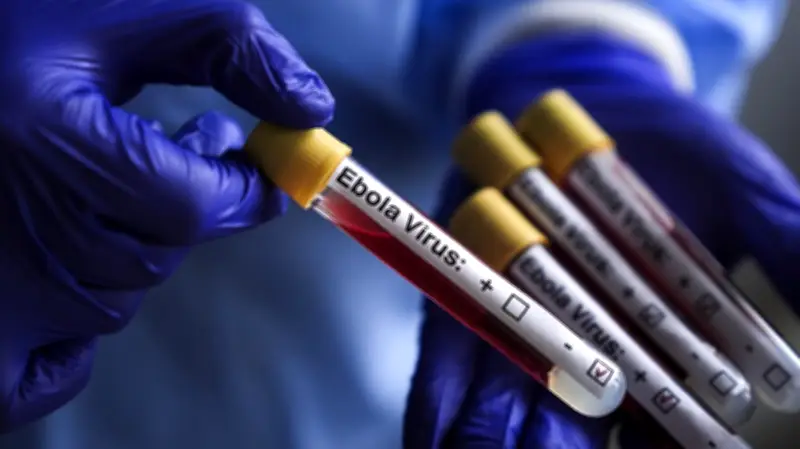
The World Health Organisation (WHO) has taken decisive steps to curb the current outbreak of Ebola Virus Disease caused by the Bundibugyo virus in the Democratic Republic of the Congo (DRC) and Uganda. The global health body convened experts and advisory groups to provide guidance on treatments and vaccines for the disease.
Expert Meetings on Vaccines and Therapeutics
The advisory groups assessed potential vaccines and therapeutics for both prevention and treatment of Bundibugyo virus disease (BVD). They recommended that all identified products should be used exclusively within clinical trials to generate robust data and ensure safe, ethical, and effective research.
According to WHO, the most promising vaccine candidate identified is the single-dose rVSV Bundibugyo vaccine, being developed by the International AIDS Vaccine Initiative. The development of this candidate is expected to take between seven and nine months before it can be assessed through clinical trials for its effectiveness in preventing BVD.
WHO convened a series of meetings with its Research and Development (R&D) Blueprint technical advisory groups on candidate vaccines and therapeutics for BVD. It also brought together the Strategic Advisory Group of Experts on Immunisation (SAGE) and its Ebola vaccine working group to advise on the possible role of licensed Ebola vaccines during BVD outbreaks.
Candidate Products for Clinical Trials
Since there are currently no licensed therapeutics or vaccines specifically approved for BVD, WHO advisory groups considered several candidate products deemed promising enough for prioritisation in clinical trials. The organisation is working closely with the governments of the DRC and Uganda to facilitate research and evaluation of these products.
For treatment of confirmed cases, independent experts recommended prioritising three candidate therapeutics for evaluation through clinical trials: the monoclonal antibodies MBP134 and Maftivimab, as well as the antiviral drug Remdesivir. WHO also recommended evaluating combination therapy involving a monoclonal antibody and remdesivir.
Post-Exposure Prophylaxis
For post-exposure prophylaxis among contacts of confirmed and probable cases, experts identified the oral antiviral obeldesivir as a priority candidate. However, they noted that the success of this approach depends heavily on effective contact tracing, which remains operationally challenging in some affected areas of the DRC. Research on post-exposure prophylaxis involves administering obeldesivir tablets to contacts of infected persons to determine if it can prevent them from developing Ebola disease.
Other Vaccine Candidates
Another candidate vaccine, ChAdOx1 Bundibugyo, being developed by the University of Oxford and the Serum Institute of India, could potentially become available within two to three months for efficacy assessment through clinical trials. However, WHO noted that additional animal data would still be required to support and confirm further prioritisation of this vaccine candidate. Experts observed that a single-dose version of the vaccine could be suitable for contacts of Ebola cases, while a two-dose strategy may be considered for high-risk but unexposed groups such as healthcare workers and frontline responders.
Role of Licensed Ebola Vaccine
The convened experts also reviewed the possible role of Ervebo, currently the only licensed Ebola vaccine. According to WHO, Ervebo is approved for use during outbreaks caused by the most common Ebola virus in Africa from the Orthoebolavirus family. However, it is not licensed for the prevention of BVD, and evidence regarding cross-protection against other Ebola virus species remains limited and inconclusive. WHO therefore recommended that Ervebo should not be used outside carefully designed research settings to enable proper assessment of its performance against Bundibugyo virus disease.
The WHO R&D Blueprint is a global initiative designed to enable rapid activation of research and development activities during epidemics. Its objective is to fast-track the availability of proven tests, vaccines, and medicines capable of saving lives and preventing large-scale health crises.