The Hidden Dangers of Cooking with Rotten Tomatoes
Tomatoes are a staple ingredient in kitchens across Nigeria, the UK and beyond, used in soups, stews, sauces and countless everyday meals. Health authorities are warning consumers that using rotten or mouldy tomatoes in cooking could be far more dangerous than many people realise. According to recent warnings from the Lagos State Consumer Protection Agency (LASCOPA), consuming spoiled tomatoes may expose people to harmful toxins that can lead to severe illness, including liver damage and long-term health complications.
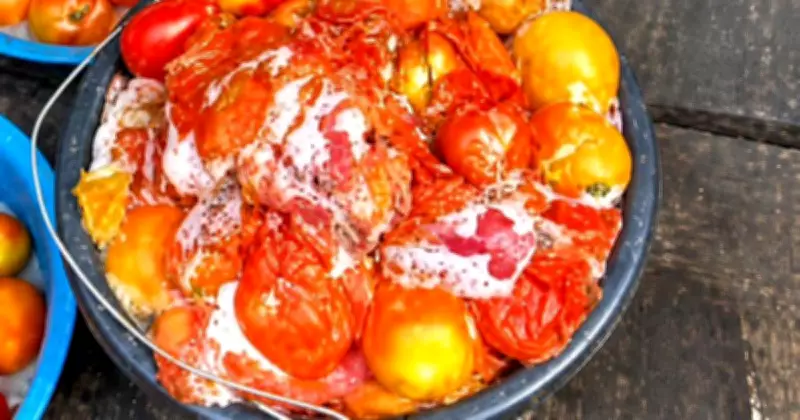
We have all been there. You are preparing your weekly stew on Sunday, or your goated firewood jollof, and you spot a couple of squashed tomatoes with whitish foam. Or perhaps you are looking to save a bit of money, so you buy a discounted bowl of overly ripe, rotted tomatoes from the market. In many homes, these heavily discounted, softening tomatoes are kitchen staples and are known popularly as “Ata Esha”. Because they are cheap, many assume that boiling them down or frying them into a stew will kill off any bacteria.
Naturally, tomatoes contain incredible nutritional perks and antioxidants like lycopene that promote heart health. However, the Lagos State Consumer Protection Agency (LASCOPA) recently released a stark warning to consumers, advising everyone to completely avoid tomatoes with visible white, green, or black fungal growth. This raises an important question: can cooking rotten tomatoes actually kill you? The answer lies in the hidden dangers of fungal contamination and toxic compounds that heat alone cannot destroy.
Why Rotten Tomatoes Can Be Dangerous to Eat
Health experts warn that mouldy or fungus-infested tomatoes may contain aflatoxins, toxic compounds produced by certain fungi. These toxins are especially concerning because:
- They can survive high cooking temperatures
- They may accumulate in the body over time
- They are linked to serious liver disease and cancer risk
- Even small, repeated exposure can be harmful
The Lagos State Consumer Protection Agency has emphasised that boiling, frying, or cooking spoiled tomatoes does not make them safe to eat. The most dangerous misconception about food hygiene is that heat cures everything. While a high temperature will kill live bacteria and active mould spores, it does absolutely nothing to get rid of the chemical toxins they leave behind. Once contamination has occurred, the toxins may remain active even after heat treatment.
Can Cooking Rotten Tomatoes Kill You?
Rotten tomatoes pose significant health risks like severe food poisoning and sudden liver complications. While eating spoiled tomatoes may not cause immediate death in most cases, it can lead to severe food poisoning symptoms and long-term health risks if consumed repeatedly or in large amounts. In rare but severe cases, especially in vulnerable individuals such as children, the elderly, or those with weakened immune systems, contaminated food can lead to life-threatening complications like aflatoxicosis and liver damage.
Among the mycotoxins found in rotten produce, aflatoxins are by far the most dangerous. Acute poisoning (aflatoxicosis) occurs when consuming high levels of these toxins in a short period, leading to immediate, severe poisoning. This manifests as abdominal pain, vomiting, fluid retention, and, in severe cases, sudden liver failure and death. Chronic liver disease results from regularly eating slightly spoiled tomatoes, causing a slow, invisible buildup of toxins in your body. Over time, this leads to permanent liver damage, cirrhosis, and a drastically increased risk of liver cancer, according to global clinical research from the World Health Organisation (WHO).
What Are the Symptoms of Food Poisoning from Tomatoes?
If you have consumed suspicious or spoiled food, here are food poisoning symptoms you should never ignore:
- Persistent vomiting
- Severe abdominal pain
- Diarrhoea lasting more than 24 hours
- Dehydration
- Dizziness or confusion
If symptoms worsen, medical attention should be sought immediately.
How Can You Tell if Tomatoes Are Spoiled?
To reduce the risk of contamination, always check tomatoes carefully before buying or cooking:
- The sight test (mould and discolouration): Look for visible white, green, or black furry patches. Also, watch out for dark, sunken spots or liquid leaking from the bottom (even if the mould is only on one side). They indicate microbial activity that produces harmful substances known as mycotoxins, including aflatoxins.
- The touch test (texture): A good tomato should be firm with a slight give. If it feels completely mushy, slimy, or wrinkled, it is well past its prime.
- The smell test: Fresh tomatoes have an earthy, sweet aroma. If you smell a sharp, sour, or fermented odour, it is rotten.
These simple steps can significantly reduce the risk of food poisoning from tomatoes. A quick tip: if you want your tomatoes to last longer, store them stem-side down at room temperature, and keep them out of plastic bags so the ethylene gas can escape.
Can You Just Cut the Rotten Part Off?
It is a common habit to slice the mouldy top off a tomato and use the remaining "good" side. However, food safety experts strictly advise against this for soft fruits and vegetables. Tomatoes have a very high water content and a soft cellular structure. Once mould is visible on the outside, its microscopic root threads (called hyphae) have already penetrated deep into the centre of the fruit. The entire tomato is effectively poisoned, even if it still looks red and firm on one side.
How to Protect Your Family
To keep your kitchen safe and healthy, include these habits into your food shopping routine:
- Inspect before you buy: Take a close look at your produce. Avoid any tomatoes showing signs of visible white, green, or black fungal growth, deep cracks, or a slimy texture.
- Store wisely: Keep your tomatoes in a cool, dry place or refrigerate them if they are already fully ripe to slow down the growth of dangerous fungi.
- Dispose correctly: If a tomato has gone mouldy, do not try to salvage it. Put it straight into the bin or compost (if safe), ensuring pets and children cannot get to it.
- Speak up: If you notice traders or supermarkets selling visibly unsafe, expired, or heavily spoiled food products as fit for consumption, report them to your local public health or consumer protection agency.
As the adage goes, “we are what we eat.” If you consistently fuel your body with toxic, decaying ingredients, the long-term health complications can be irreversible.