Nigeria's public health system faces a profound challenge in safeguarding the lives of mothers and their newborns. With UNICEF data revealing a grim reality—Nigeria accounts for roughly 20 per cent of global maternal deaths—the need for actionable, accessible information has never been more urgent. Against this backdrop, a new publication emerges as a potential beacon of hope for countless families.
A Comprehensive Manual for Motherhood
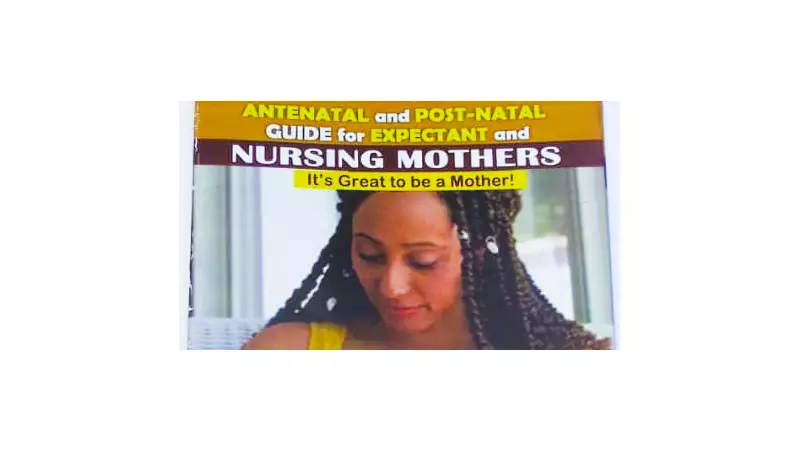
Enter Antenatal and Post-Natal Guide for Expectant and Nursing Mothers, with Orido Vincent serving as the general editor for the Journalist Research and Preventive Health Guide. Published under the 'Safe Motherhood and Infants Mortality Reduction' campaign, this manual is designed to walk women through every phase of pregnancy, childbirth, and early infant care. Its 10 chapters combine medical advice, nutritional plans, and myth-busting insights, all supported by data from UNICEF and the WHO alongside clear illustrations.
From Pregnancy Symptoms to Postnatal Care
The guide begins by demystifying pregnancy development, detailing common symptoms like backache, constipation, and insomnia. Crucially, it doesn't just list problems but provides illustrated, home-based remedies. It also helps differentiate between illnesses often misdiagnosed as simple fever, such as typhoid and pneumonia, outlining distinct treatments for each.
A dedicated chapter on stress-free pregnancy advocates for regular antenatal checks and healthy living. It empathetically addresses the emotional and hormonal rollercoaster of the first trimester, even acknowledging that partners may share similar anxieties. The book boldly tackles questions mothers might hesitate to ask, from alcohol consumption during pregnancy to feelings of undesirability, offering straightforward and practical answers.
Dispelling Myths and Emphasizing Nutrition
One of the guide's strengths is its direct confrontation of harmful cultural misconceptions. It corrects dangerous myths, such as the belief that giving birth in a dark room is safer or that semen can poison breast milk, replacing them with factual, life-saving information.
Nutrition receives paramount attention, anchored by the principle 'you are what you eat'. The text emphasizes balanced meals from all food groups and provides guidance on affordable, nutritious options like beans, soya, and eggs, making it relevant for cost-conscious households. This advice aligns with global standards, referencing UN advocacy for essential nutrients like Vitamin A.
Preparing for Labour and Infant Safety
The manual offers extensive coverage on labour, childbirth, and breastfeeding. Chapters four and five prepare mothers for delivery with details on fetal positioning, breathing techniques, and comprehensive checklists for hospital bags. A due date calculation chart and a breakdown of childbirth stages help set realistic expectations.
Perhaps most critically, the guide addresses terrifying infant health concerns. It instructs mothers on preventing sudden infant death, managing safe sleeping temperatures to avoid overheating, and recognizing urgent symptoms like paleness, breathing difficulties, or persistent vomiting that demand immediate medical care.
A Vital Intervention Despite Minor Flaws
While the guide's tendency to oversimplify certain medical issues—like grouping varied illnesses under the broad 'fever' category—carries a risk of misinterpretation, this shortcoming is minor within its broader context. Its core achievement is successfully merging empathy, practicality, and advocacy into a single, accessible resource.
In a nation where preventable maternal and infant deaths remain tragically common, Orido Vincent's work is more than a book; it is a direct intervention and a clarion call. It urges mothers to seek knowledge, health workers to offer support, and communities to abandon deadly myths in favor of evidence-based practices that save lives. Published on 14 January 2026, this guide represents a significant step forward in the fight for safe motherhood in Nigeria.