Roche Diagnostics Executive Urges Integrated Approach to Combat Nigeria's Tuberculosis Crisis
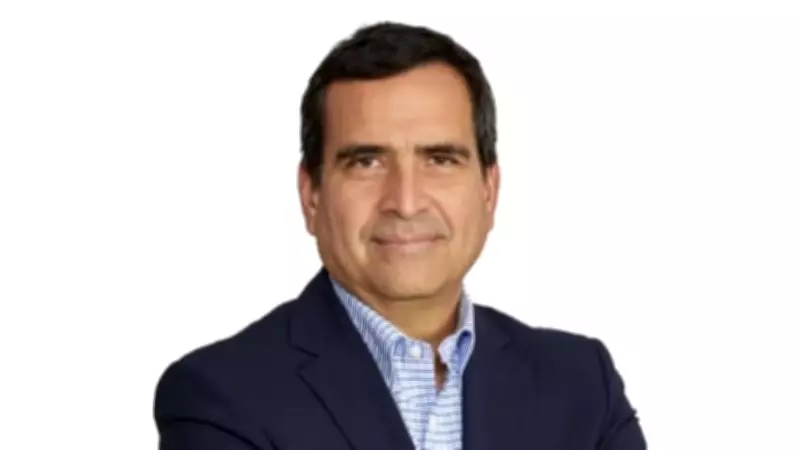
As the world commemorates World Tuberculosis Day on March 24, Roberto Taboada, Network Head for Anglo-West Africa at Roche Diagnostics, has emphasized that tuberculosis remains one of Nigeria's most critical public health challenges. In a statement titled "From pressure to progress: strengthening TB diagnostics in Nigeria," Taboada highlighted that despite ongoing efforts to enhance detection and treatment, the country continues to bear a high burden of the disease, placing immense strain on patients, healthcare workers, and national systems.
Rising TB Cases and the Need for Enhanced Diagnostic Systems
Taboada cited data from BMJ Journals, which revealed a 15 percent increase in nationally reported TB cases in 2020 alone. He described this as a significant achievement and a milestone upon which Nigeria can build. "While expanded case finding efforts and improved access to screening have helped identify more people who may be living with TB, what comes next? Diagnostic systems must be able to increase the pace, confirm more patients’ statuses, and do so accurately and at scale. This is where the next phase of TB response is taking shape," he stated.
He noted that in high-burden countries like Nigeria, there is a growing shift toward more integrated diagnostic approaches. Historically, disease programs have often operated in isolation, with separate systems, funding streams, and infrastructure for each condition. While this approach has yielded results, it can lead to duplication and inefficiencies. Taboada pointed out that technological advancements now allow for streamlined laboratory medicine, benefiting clinicians, patients, and funders alike.
Benefits of Integrated Testing and WHO Endorsement
Taboada explained that integrated testing enables a single blood sample to yield results for multiple diseases simultaneously, rather than performing isolated tests for TB alone. "With comorbidities like HIV and TB compounding the disease burden, this could not be more valuable," he emphasized. He added that the World Health Organization has reinforced this direction, highlighting the role of integrated and high-throughput diagnostic approaches in strengthening case detection and program efficiency. These methods are particularly relevant in settings where demand is high and resources must be used judiciously.
At the same time, global funding dynamics are evolving. As countries adapt to more constrained funding environments, there is a stronger emphasis on cost-effective, scalable solutions aligned with national priorities. Taboada expressed optimism, noting that Nigerian policymakers have taken notice. "We are seeing a renewed focus on efficiency. Solutions that can support higher testing volumes while leveraging existing infrastructure for testing have been embraced, and national health decision-makers are partnering with private-sector stakeholders in alignment with national TB program goals," he said.
Public-Private Collaboration and Future Outlook
Taboada disclosed that public and private collaboration will continue to play a critical role in this process, as governments, national programs, and industry partners each bring different strengths. "When these are aligned, it becomes possible to design solutions that are both practical and sustainable," he asserted. As Nigeria marks World TB Day, he reflected on the burden of the disease and the progress made in combating it over centuries.
He emphasized that strengthening TB diagnostics is not solely about expanding access. By focusing on integration, efficiency, and alignment with national priorities, Nigeria is building a more resilient approach to TB control. "This is one that can respond to growing demand, support better outcomes, and contribute to a stronger healthcare system over time," Taboada stated. He concluded by expressing confidence in Nigeria's leadership in diagnostic innovation, looking forward to seeing the nation's progress unfold in the coming years. "Perhaps, when I revisit this topic four years from now, as we reach the WHO 2030 healthcare targets, TB will be old news, rather than a current headline," he added.