From Personal Crisis to National Advocacy: Hauwa Ojeifo's Transformative Journey
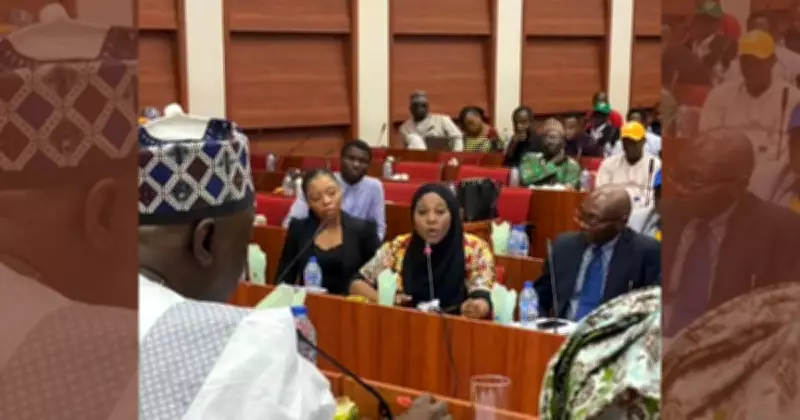
When Hauwa Ojeifo stood before the Nigerian National Assembly in February 2020 to challenge the existing Mental Health Bill, she created a watershed moment that would permanently alter the country's approach to mental healthcare. As the first individual living with a mental health condition to testify publicly in that capacity before Nigeria's legislative body, she brought unprecedented visibility to the urgent need for inclusive, human-rights-based legislation protecting millions of Nigerians with mental health conditions and psychosocial disabilities.
A Voice for the Voiceless
Ojeifo's testimony represented more than just personal storytelling; it amplified the voices of approximately 40 million Nigerians who had long been marginalized in mental health discussions. For decades, mental health in Nigeria existed in the shadows—chronically underfunded, heavily stigmatized, and consistently absent from legislative priorities. Her powerful presentation brought lived experience directly into the chambers of power, compelling policymakers to confront the human consequences of systemic neglect and a healthcare framework built on practices that often dehumanized individuals with psychosocial disabilities.
The founder of She Writes Woman (SWW), a movement dedicated to giving mental health a voice in Nigeria, Ojeifo has been remarkably transparent about her personal journey. Diagnosed with bipolar disorder and PTSD following significant trauma and a severe mental health crisis, she has spoken candidly about surviving a near-suicide attempt—a pivotal moment that transformed her personal suffering into powerful public advocacy.
Building Sustainable Support Systems
Rather than retreating into silence, as remains the only option for many Nigerians with mental health conditions, Ojeifo channeled her experiences into concrete action through SWW. The organization, which celebrates its tenth anniversary this April, has established itself as a crucial safe space for open conversations, hope, support, and collective healing. Her strategic testimony before the National Assembly centered on critical issues including legal recognition and protection for persons with mental health conditions under the United Nations Convention on the Rights of Persons with Disabilities, which Nigeria signed in 2007, ratified in 2010, and domesticated in 2019.
For generations, people with mental health conditions in Nigeria have faced shackling, chaining, forced detention, and abuse across public, private, religious, and traditional facilities due to archaic beliefs and colonial-era medical systems. In her testimony, Ojeifo challenged these widespread practices as fundamental violations of human dignity and demanded equality before the law. Despite Nigeria's status as a state party to the UN CRPD, significant gaps have persisted between international commitments and local realities, leaving millions without adequate legal safeguards.
Concrete Impact Through She Writes Woman
Under Ojeifo's leadership as Executive Director, SWW has evolved into one of Nigeria's most prominent mental health movements, effectively combining rights-based advocacy with practical support services. The organization's tangible impacts include:
- 24/7 Toll-Free Helpline (0800 800 2000): Operating a 24-hour toll-free mental health helpline requiring no call credit, connecting Nigerians nationwide with trained counselors who provide psychological first aid, empathetic listening, crisis intervention, and professional referrals.
- Teletherapy & Referral Services: Providing access to teletherapy sessions and connecting individuals with in-house therapists for ongoing care, significantly reducing barriers related to cost, geography, and stigma.
- Safe Place Nigeria Initiative: Convening confidential, judgment-free support groups both online and in person where women and girls can share experiences, build solidarity, and access emotional wellbeing resources.
- Digital Community & Peer Support: Fostering peer engagement, psychoeducation, and mutual support through storytelling platforms and online communities, combating the isolation that often deepens suffering in Nigerian society.
Legislative Impact and International Recognition
Ojeifo's testimony contributed substantially to critical discussions surrounding Nigeria's Mental Health Bill, ensuring that the rights of persons with mental health conditions remained central to legislative considerations. Lawmakers subsequently stepped down sections of the bill for revisions to better align with human and disability rights standards—a powerful demonstration of how lived experience can directly influence legislation and shape public policy.
Her advocacy has garnered significant international recognition, including the Queen's Young Leaders Award from the late Queen of England, the Gates Foundation Global Goals Changemaker Award, recognition as one of TIME magazine's Next Generation Leaders, and selection as one of Melinda French-Gates' Global Leaders to receive a $20 million fund advancing the health and wellbeing of women and girls worldwide.
Beyond these accolades, Ojeifo's most profound impact lies in the countless lives transformed through peer support networks, accessible helplines, safe spaces, legislative improvements, and sustained policy advocacy. Her testimony served as a powerful call to action, shifting legislative conversations from abstract statistics to lived realities. In a nation with limited mental health resources and deeply entrenched stigma, her leadership and SWW's services are creating tangible pathways to support, dignity, and fundamental rights for millions of Nigerians.