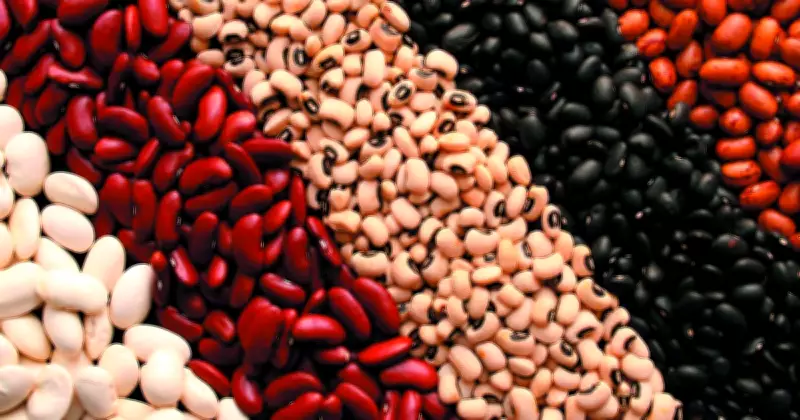
6 Remarkable Body Changes from Daily Bean Consumption
Incorporating half to one cup of beans into your daily diet represents a profoundly nutritious habit that supports weight management, enhances cardiovascular health, stabilizes blood sugar levels, and promotes optimal gut function through its rich fiber and protein content. Eating beans consistently can significantly improve digestion, boost energy levels, and fortify heart health. Explore six authentic transformations that occur within your body over an extended period.
Why Beans Are Nutritional Powerhouses
Beans frequently receive less recognition than they deserve, yet they stand among the most nutritionally dense and economically accessible foods available for regular consumption. Across diverse cultures worldwide, from African culinary traditions to Latin American cuisine, beans have maintained their status as a dietary cornerstone for centuries, and with substantial justification. Loaded with protein, dietary fiber, essential vitamins, and vital minerals, they deliver an extensive array of health advantages that extend well beyond fundamental nutritional requirements.
Recently, beans have garnered unexpected popularity, particularly on social media platforms like TikTok, where individuals enthusiastically attest that daily bean consumption has revolutionized their wellbeing: achieving clearer skin, reduced bloating over time, diminished bodily discomfort, and enhanced digestive processes. Registered dietitians confirm these benefits are genuine, though they emphasize that beans operate gradually rather than producing overnight miracles. Beans function slowly and subtly, but with consistent consumption, the physical changes become distinctly noticeable.
Beans occupy a unique category of foods that accomplish multiple physiological tasks simultaneously. They contain substantial quantities of both protein and fiber, a combination that directly influences satiety levels, blood sugar regulation, and gastrointestinal performance. Beans provide both soluble and insoluble fiber varieties. Soluble fiber assists in lowering cholesterol concentrations and stabilizing blood glucose, while insoluble fiber maintains proper movement through the digestive tract. The human body requires both types, and beans deliver them comprehensively.
Furthermore, beans supply essential minerals including magnesium and potassium—electrolytes commonly associated with sports beverages or bananas. These minerals support muscle contractions, nerve signal transmission, and blood pressure management. These are quiet yet fundamentally important bodily processes. Beans also serve as a reliable plant-based iron source, which significantly impacts energy production, particularly for women and individuals with elevated physiological demands.
Enhanced Digestion and Gut Microbiome Health
Beans function as effective prebiotics, meaning they nourish beneficial gut bacteria. Over time, this fosters a more balanced and diverse gut microbiome. This microbial balance influences numerous bodily functions including digestion, immune system responses, and even mood regulation. Within approximately one week of consistent bean consumption, many individuals observe more regular bowel movements—not dramatic changes, but smoother and more predictable patterns that indicate positive internal adjustments.
Temporary Bloating During Initial Adjustment
Beans may initially cause bloating and gas, but these effects typically diminish as the body adapts. This phenomenon primarily results from the gut microbiome adjusting to a sudden increase in dietary fiber and specific indigestible sugars. If your current diet contains minimal fiber, abruptly introducing daily beans might create temporary discomfort including gas, bloating, and a heavy abdominal sensation. This does not indicate bodily rejection of beans, but rather represents the gut's adaptation process. The bacterial populations responsible for fiber breakdown multiply during this transition, temporarily increasing gas production. The solution involves gradual introduction—consuming beans several times weekly initially, then progressively increasing frequency. Adequate hydration significantly assists this process, as fiber and water function synergistically rather than independently.
Stabilized Energy Levels Throughout the Day
Beans facilitate gradual glucose release due to their fiber and protein composition, preventing rapid blood sugar spikes. This results in fewer energy crashes, reduced afternoon fatigue, and more consistent vitality across daily activities. The change manifests subtly at first—you simply experience less exhaustion between meals. For individuals accustomed to rapid energy surges from refined carbohydrates, this transition creates a surprisingly steady energy supply, as if the body operates on a more reliable physiological system.
Reduced Hunger and Improved Appetite Regulation
The fiber in beans expands within the digestive tract while the protein content slows digestion. Together, these mechanisms increase satiety hormones and decrease frequent snacking urges. People often don't immediately recognize this effect, then suddenly realize they're not constantly thinking about food. This represents natural appetite regulation rather than forced dietary restriction, and over time supports weight management without requiring strict dieting protocols.
Improved Cholesterol Profiles
Scientific studies demonstrate that daily bean servings can significantly reduce LDL cholesterol levels, with some research suggesting effectiveness comparable to oatmeal. The soluble fiber in beans binds to cholesterol within the digestive system, facilitating its elimination from the body. This represents a gradual process rather than something perceptible daily. After approximately six to eight weeks of consistent consumption, improvements in LDL cholesterol measurements begin appearing in blood tests. This explains why beans feature prominently in heart-healthy dietary patterns like the DASH and Mediterranean diets.
Reduced Inflammation and Potential Skin Improvements
Beans contain antioxidant compounds like polyphenols that help decrease oxidative stress. More significantly, they enhance gut health, which produces downstream effects on systemic inflammation. A healthier gut microbiome often correlates with reduced whole-body inflammation, sometimes manifesting externally. Some individuals report fewer bodily aches, while others notice clearer or more even skin complexion. While not guaranteed, and beans aren't traditionally classified as "skin food," the gut-skin connection remains scientifically validated, making such changes non-random when they occur.
Eating beans daily doesn't provide instant solutions or overnight bodily transformations. Instead, it offers something more dependable: gradual, sustainable change. Benefits include improved digestion, stabilized energy, reduced hunger, enhanced heart health markers, and possibly subtle daily wellbeing improvements. The essential components are consistency and patience, particularly during initial adaptation. Beans won't resolve every health concern, but among simple, affordable dietary habits, they represent one of the most effective practices you can maintain long-term.