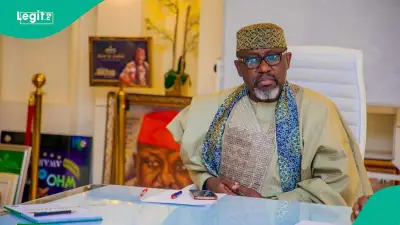
The Institute for Peace and Conflict Resolution (IPCR), Search for Common Ground (SCG), and the Centre for Democracy and Development (CDD) have jointly called on Nigerians across all sectors to reject electoral violence and embrace peaceful, inclusive, and responsible democratic participation as the country gears up for the 2027 general elections.
Threat to Democracy
The organizations highlighted that electoral violence remains a serious threat to democratic consolidation, national unity, and sustainable development. Speaking on behalf of the groups at a joint news conference to commemorate Democracy Day 2026, IPCR’s Director-General, Dr. Joseph Ochogwu, emphasized that Democracy Day serves as a vital reminder of Nigeria’s democratic journey and the collective duty of citizens and institutions to protect and strengthen democratic values.
“Electoral violence is one of the most significant challenges confronting democratic processes in many societies. Across election cycles, incidents of political intimidation, destruction of property, misinformation, hate speech, voter suppression, and physical attacks have undermined public confidence in elections and weakened trust in democratic institutions. Such actions not only threaten lives and livelihoods but also discourage meaningful participation in governance,” Ochogwu stated.
He stressed that elections should be opportunities for citizens to freely express their choices through peaceful and lawful means. “Democratic competition should be based on ideas, policies, competence, and service to the people, rather than intimidation, coercion, violence, or divisive rhetoric. A peaceful electoral environment is essential for ensuring credible elections, protecting citizens’ rights, and strengthening democratic accountability,” he added.
Collective Responsibility
Ochogwu underscored that preventing electoral violence is a collective responsibility requiring active participation from all stakeholders. He called on political leaders and candidates to demonstrate statesmanship by promoting issue-based campaigns and publicly discouraging violence among their supporters. He also highlighted the crucial roles that government institutions, electoral bodies, security agencies, traditional and religious leaders, women-led organizations, community-based groups, and civil society actors can play in preventing electoral violence.
“Strengthening collaboration among these stakeholders is essential for identifying early warning signs of conflict, promoting peaceful dialogue, and responding effectively to emerging tensions before they escalate into violence,” Ochogwu noted.
Commitment to Peace
As Nigeria looks ahead to future electoral cycles, Ochogwu reaffirmed the commitment of IPCR, SCG, and CDD to supporting initiatives that promote democratic governance, strengthen social cohesion, encourage citizen participation, and build sustainable peace across communities. “Through partnerships, civic education, dialogue platforms, media engagement, and peacebuilding interventions, we will continue working with stakeholders to foster an environment where democratic processes can thrive without fear or violence,” he said.
In her remarks, the Director of Programmes at SCG, Gift Omoniwa, underscored the importance of collective action in safeguarding democracy. “Democracy thrives when citizens can participate freely, safely, and peacefully. Electoral violence has no place in a democratic society. Together, we must choose dialogue over division, tolerance over hatred, and peace over violence,” she said.
According to her, every Nigerian has a role to play in protecting democracy and ensuring that elections remain a platform for constructive engagement and national progress.