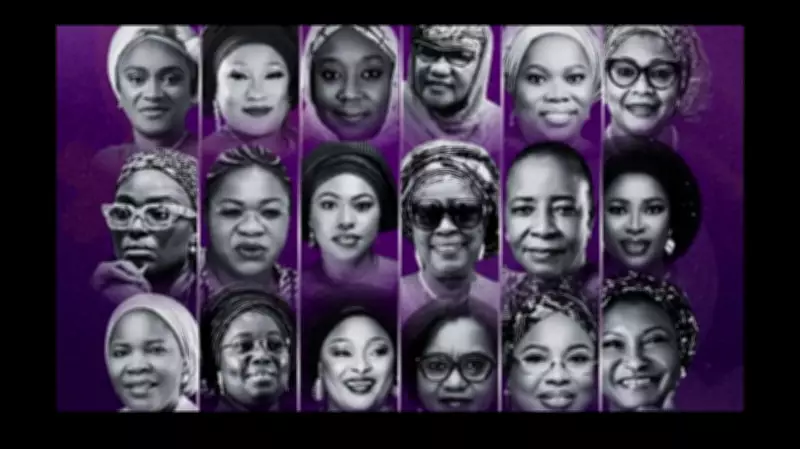
Women advocacy groups and political inclusion organizations have raised concerns over what they described as the systematic exclusion of women from ongoing political party processes ahead of the 2027 general elections. They warned that this trend could further weaken female representation in Nigeria's democratic governance.
The groups, under the umbrella of Womanifesto, Nigeria League of Women Voters (NILOWV), Women in Politics Forum (WIPF), 100 Women Lobby Group, Women Collective Hub, and The Electoral Hub, accused political parties of sustaining structures that disadvantage female aspirants through zoning arrangements, consensus candidacies, high nomination fees, and internal power dynamics.
In a joint statement addressed to the national chairmen of political parties, including the ruling All Progressives Congress and the People's Democratic Party, the organizations warned that women were already being edged out of the electoral process long before party primaries are concluded.
Structural Disadvantages
The groups stated that despite years of advocacy encouraging women's participation in politics, many female aspirants continue to face structural disadvantages within party structures and systems. According to the statement, several qualified women who indicated interest in contesting elective positions have either been screened out, discouraged from purchasing nomination forms, or pressured to step down in favor of preferred male candidates before primaries are even concluded.
The coalition expressed fears that the development could reverse the modest gains recorded in women's political representation in recent years and further diminish the already low number of women occupying elective offices, particularly in the National Assembly.
Democratic Ideals at Stake
The groups argued that the situation contradicts democratic ideals in a country where women constitute a significant percentage of the voting population but remain largely absent from leadership and decision-making positions. They stated that Nigeria cannot continue to sustain a democratic system where women constitute a significant voting population yet remain largely absent from leadership and decision-making spaces.
The organizations further observed that the concentration of women aspirants within a dominant political party, without clear guarantees of inclusion and equitable ticket allocation, had heightened fears that many competent female politicians might ultimately fail to make it onto the ballot.
Call for Inclusive Primaries
Describing political parties as the gatekeepers of Nigeria's democracy, the coalition insisted that responsibility for inclusive governance begins with party leadership. The groups therefore called on political parties to ensure transparent, inclusive, and violence-free primaries while creating deliberate pathways for increased women's representation on party ballots.
They also demanded the introduction and implementation of gender quotas within party constitutions and leadership structures at ward, local government, state, and national levels. In addition, the coalition urged parties to empower national women leaders with meaningful authority in internal decision-making processes and reduce the high cost of nomination forms, which they said disproportionately affects female aspirants.
Commitment to Affirmative Measures
The statement further appealed to parties to publicly commit to affirmative measures that would support women candidates ahead of the 2027 elections and prevent the use of consensus arrangements and zoning processes as tools for excluding women from contesting. The groups stressed that women aspirants must be given equal treatment during screenings, consultations, and delegate engagements.
They argued that increasing women's participation in governance should not be viewed merely as a gender issue but as a critical component of democratic consolidation and national development. The organizations stated that increasing women's participation in governance is not merely a gender issue; it is fundamental to strengthening democracy, improving representation, and advancing national progress.
Collaboration for Voter Education
The coalition also called for stronger collaboration among political parties, women's rights groups, civil society organizations, media institutions, and community stakeholders to improve voter education, mobilization, and visibility for women candidates. According to them, female candidates who eventually emerge from party primaries must not only participate but should also be adequately supported to engage electorates and compete fairly.
The groups maintained that women candidates must not only emerge; they must also be seen, heard, supported, and given equitable opportunities to engage electorates, citizens, and communities. They warned that as Nigeria approaches another democratic transition, political parties have an opportunity to demonstrate commitment to inclusive governance and democratic fairness.
They warned that history would judge the decisions taken by political actors at this crucial period, urging parties to act patriotically to ensure women are not excluded from the democratic process before elections even begin.