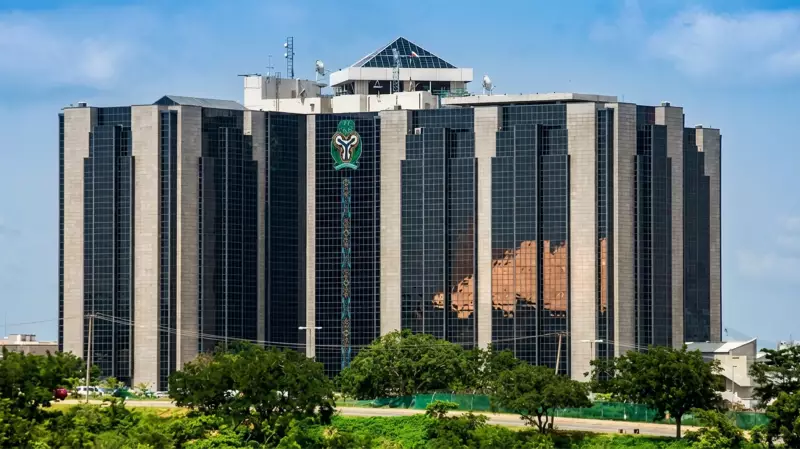
The House of Representatives has issued a strict deadline to the Central Bank of Nigeria (CBN) to account for a staggering N5.2 trillion in alleged unremitted operating surplus to the Federation Account. This directive comes amid heightened concerns over fiscal transparency and accountability at the apex bank.
Committee Issues Ultimatum for Reconciliation
The Public Accounts Committee (PAC) of the House, led by its Chairman, Mr Bamidele Salam, on Tuesday, ordered the CBN to complete a reconciliation exercise with the Ministry of Finance and the Fiscal Responsibility Commission (FRC). The committee fixed January 19, 2026, as the final date for the submission of the reconciliation reports.
This decision followed a request from the CBN Governor, Mr Olayemi Cardoso, for more time to respond to the serious allegations and to prepare for a joint committee hearing. In a letter dated December 15, 2025, the CBN cited the enormous volume of documents and the ongoing reconciliation process with other agencies as reasons for the delay.
Root of the N5.2 Trillion Probe
The investigation stems from multiple audit reports, including those from the Office of the Auditor-General for the Federation, the Fiscal Responsibility Commission, and special consultants hired by the National Assembly. The findings allege that between 2015 and 2022, the CBN failed to remit the colossal sum to the Consolidated Revenue Fund.
This alleged failure contravenes the provisions of the 1999 Constitution (as amended) and the Fiscal Responsibility Act. Chairman Salam detailed that the audit uncovered several other financial discrepancies, including:
- Outstanding remittances of about N954 million linked to the transition to the Treasury Single Account (TSA).
- Discrepancies amounting to roughly N11.09 billion.
- An additional N2.69 trillion discovered during the migration of Federal Government balances.
- About N521.7 million in Value Added Tax on remittance transactions.
Key Stakeholders Demand Clarity and Action
During the joint committee session, key government officials emphasized the critical nature of the issue. The Minister of Finance and Coordinating Minister for the Economy, Mr Wale Edun, stressed that accurate revenue reporting is fundamental to government operations, budgeting, and investment.
"Federal Government revenue is a critical aspect of government operations, budgeting, financing, and investment in public assets," Edun stated. He added that clarity in fiscal and monetary management is where transparency and accountability are demonstrated, and it directly impacts assessments by international rating agencies.
Mr Ademorin Kuye, Chairman of the House Committee on Public Assets, highlighted the urgency, noting that the 2025 budget is heavily reliant on expected revenues. He insisted on a fixed timeframe to prevent the issue from dragging on unnecessarily.
Representing the Fiscal Responsibility Commission, Mr Charles Abeta acknowledged past challenges in securing compliance from the CBN but welcomed the current reconciliation effort. He pointed out that amendments to the Fiscal Responsibility Act via the Finance Act 2020 have strengthened enforcement, giving the Finance Minister clearer authority to ensure remittances from the source.
The Road Ahead: Deadlines and Appearances
The Salam-led committee concluded the session by setting two crucial dates. The CBN, Ministry of Finance, and FRC must submit their reconciled reports by January 19, 2026. Subsequently, the CBN Governor, Olayemi Cardoso, is mandated to appear before the joint committee of the House to present and defend the findings on January 26, 2026.
This move by the National Assembly underscores a significant push to enforce fiscal discipline and recover funds deemed crucial for national development, placing the CBN's financial operations under intense legislative scrutiny.