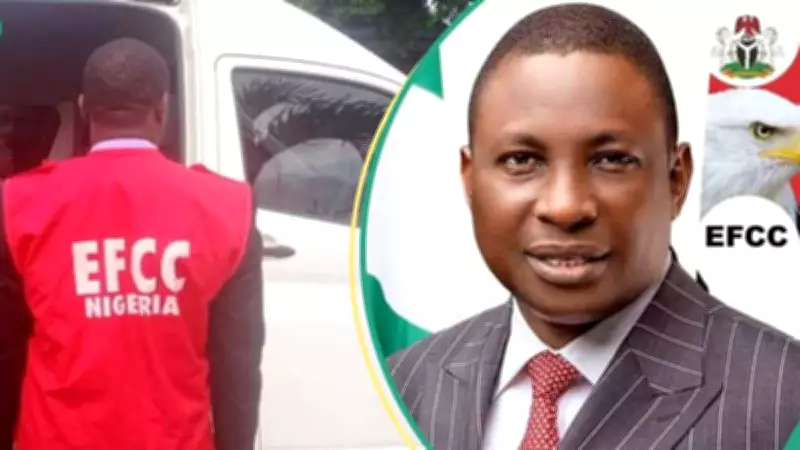
EFCC Arrests 20 Suspects for Electoral Fraud in FCT Council Polls
The Economic and Financial Crimes Commission (EFCC) has made significant arrests following the Federal Capital Territory (FCT) council elections held on Saturday, February 21, 2026. Twenty suspects have been detained for various electoral offences, with the anti-graft agency recovering over N17 million linked to illicit activities during the polls.
Details of the Arrests and Recoveries
According to an official statement released via the EFCC's X handle on Sunday, February 22, 2026, the suspects were apprehended across multiple area councils within the FCT. The arrests targeted individuals involved in:
- Vote buying and vote selling schemes
- Obstruction of electoral officers
- Other electoral misconduct activities
The total amount recovered from these operations stands at N17,218,700.00 (Seventeen Million, Two Hundred and Eighteen Thousand, Seven Hundred Naira). One particularly notable arrest involved a suspect found with N13,500,000 (Thirteen Million, Five Hundred Thousand Naira) in a vehicle parked beside a polling booth in the Kwali local government area.
Geographical Distribution of Arrests
The EFCC provided specific breakdowns of where the arrests occurred:
- Abaji: Two suspects arrested
- Gwagwalada: Nine suspects arrested
- Kuje: Four suspects arrested
- Kwali: Four suspects arrested (including the individual with N13.5 million)
The anti-graft agency confirmed that investigations are ongoing, and all suspects will face court charges once the investigative process concludes.
Public Reaction and Political Context
Nigerians have expressed mixed reactions to the EFCC's actions, with many questioning whether the agency will maintain its commitment to prosecuting these cases to their logical conclusion. Social media commentary has highlighted concerns about:
- The political affiliations of arrested individuals remaining undisclosed
- Previous electoral fraud cases that allegedly went unprosecuted
- The EFCC's methodology in documenting and publicizing arrests
These arrests occurred against the backdrop of the ruling All Progressives Congress (APC) claiming five chairmanship seats in the FCT area council elections. Notable victories included Umar Abdullahi Abubakar in Abaji area council and Christopher Maikalangu in Abuja Municipal Area Council (AMAC). However, the Peoples Democratic Party (PDP) secured a significant win in Gwagwalada, where Mohammed Kasim emerged victorious against APC's Yahaya Shehu.
Broader Electoral Developments
In related electoral news, the African Democratic Congress (ADC) achieved a local victory at Polling Unit 076 in Wuse Zone 4 within AMAC. The ADC polled seven votes at this unit, while the APC secured two votes, with one ballot declared invalid. This particular polling unit experienced generally low voter turnout.
ADC chairmanship candidate Moses Paul raised concerns about intimidation of party agents and blamed movement restrictions for poor voter participation in certain areas. These developments highlight the complex challenges facing Nigeria's electoral process, even as authorities like the EFCC work to combat financial crimes that undermine democratic integrity.
The EFCC's actions represent a continued effort to address electoral malpractice in Nigeria, though public skepticism remains regarding the consistency and transparency of such enforcement measures across different political contexts and administrations.