The Democratic Republic of Congo has established a new advisory body, the Council for the Examination of Atrocities in the DRC, to strengthen its campaign for accountability in the country's troubled east. The council brings together senior war crimes lawyers from the United States and Europe to advise Congolese institutions on recognizing crimes and securing reparations for victims.
Council Co-Chaired by Prominent Rights Activists
Co-chaired by Congolese human rights activist Julienne Lusenge and British lawyer Howard Morrison, a former judge at the International Criminal Court and the U.N. tribunal for the former Yugoslavia, the council signals Congo's determination to seek international justice. Other members include Stephen Rapp, the former U.S. war crimes ambassador who prosecuted former Liberian President Charles Taylor, and Pascal Turlan, a former senior ICC official with experience in Congo cases.
Conflict Rooted in Rwanda Genocide
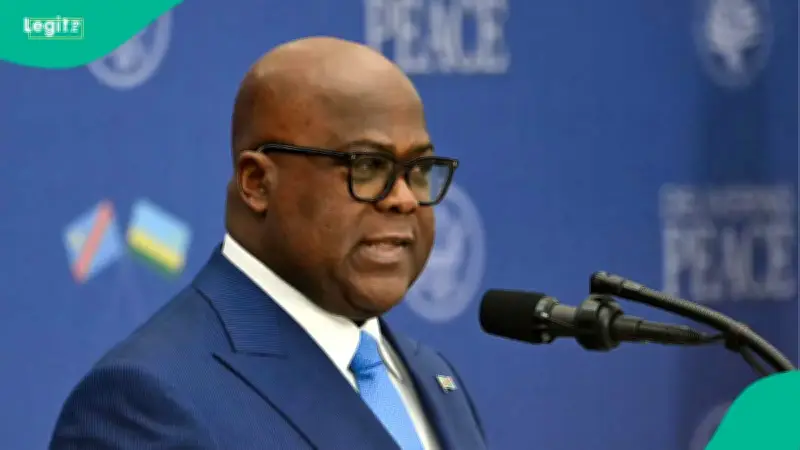
The violence in eastern Congo has deep roots in the aftermath of Rwanda's 1994 genocide. Many perpetrators fled into Congo, sparking cycles of conflict that have lasted for decades. The fighting involves dozens of armed groups competing for control of mineral-rich areas, with millions estimated to have died. Last year, President Felix Tshisekedi told the U.N. General Assembly that Congo was suffering a 'silent genocide' and urged the creation of an international commission of inquiry to break what he called a 'cycle of impunity.'
Congo's Case Against Rwanda
In June, Kinshasa filed a case at the International Court of Justice accusing Rwanda of breaching international conventions on genocide, racial discrimination and torture. The move highlights Congo's growing push for international recognition of atrocities committed on its soil. The conflict escalated last year when the AFC/M23 rebel group seized large areas of eastern Congo. The United Nations and Western governments say Rwanda backs the rebels, though Kigali denies involvement.
Council to Advise on Justice and Reparations
The new council will advise Congolese state institutions as they pursue justice and reparations for victims. By involving experienced international lawyers, Congo aims to strengthen its case for recognition of crimes and ensure victims' voices are heard.