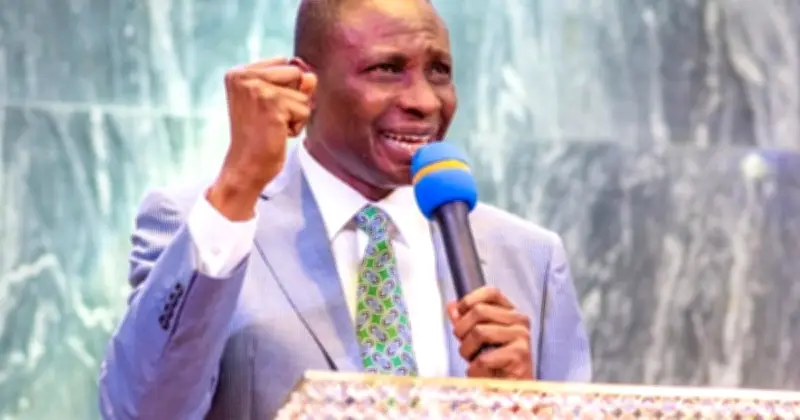
The Chairman of the Economic and Financial Crimes Commission (EFCC), Ola Olukoyede, has disclosed that governorship aspirants in Nigeria spend between ₦20 billion and ₦30 billion to secure electoral victory. He made this known during a public lecture at the University of Ilorin, where he expressed deep concern over the escalating cost of elections and its detrimental impact on governance and accountability.
High Cost from Primaries to General Elections
According to Olukoyede, the enormous financial burden begins at the party primary stage and continues through the general elections, making political contests extremely expensive and heavily dependent on capital. He warned that such spending patterns undermine democratic values and weaken the credibility of the electoral process.
Corruption and Vote Buying
The EFCC chairman noted that the high cost of winning elections has become a major driver of corruption, as successful candidates often feel pressured to recover the money spent during campaigns once they assume office. He added that this situation encourages vote buying and other forms of financial inducement, which distort the will of the electorate and reduce public trust in democratic institutions.
Concerns Ahead of 2027 Elections
Olukoyede stressed that the development raises serious concerns ahead of the 2027 general elections, especially as political actors continue to engage in expensive campaigns despite existing regulations on campaign financing. He called for stricter enforcement of electoral spending limits and stronger institutions to curb the influence of money in politics.
Impact on Governance
The EFCC boss reiterated that when elections become excessively expensive, governance suffers, as leaders may prioritise recouping campaign funds instead of focusing on service delivery. He emphasised that tackling corruption in the political system requires addressing the root causes, including the rising cost of seeking public office.
Call for Reforms
Nigeria’s electoral process has long been criticised for being heavily monetised, with political stakeholders and observers repeatedly calling for reforms to reduce financial barriers to entry. The latest warning from the anti-graft agency adds to growing concerns about the sustainability of democratic competition in the country if election costs continue to rise unchecked. As discussions around electoral reforms continue, attention is now shifting to how institutions and political parties will respond to the challenge ahead of the next election cycle.