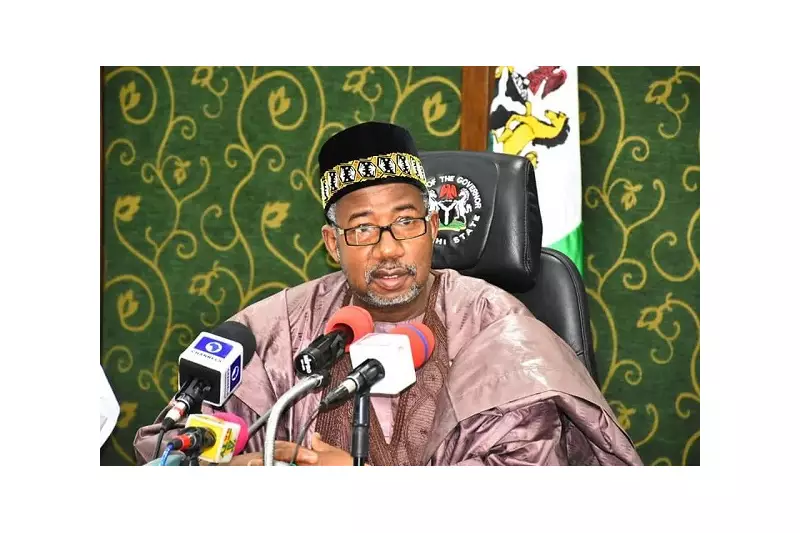
The Economic and Financial Crimes Commission (EFCC) has issued a strong rebuttal to allegations made by Bauchi State Governor, Bala Mohammed, that the agency is being used by political opponents to target him and his administration.
EFCC Defends Its Independence
In a statement released on Friday, the Commission expressed great displeasure at the governor's claims. The EFCC specifically rejected the suggestion that it is acting under the direction of the Minister of the Federal Capital Territory, Nyesom Wike, or any other political figure.
The agency described itself as an independent and non-partisan body created solely to combat economic and financial crimes. It stressed that it carries out its legal duties without bias, favour, or malice towards any individual or group.
"The attempt to portray the EFCC as a pliable agency that panders to the demands of certain political interests is mischievous and condemnable," the Commission stated firmly.
Reminder of Governor's Legal History
The EFCC's response took a pointed turn as it reminded the public of Governor Mohammed's own legal history. The Commission revealed that Bala Mohammed was already standing trial for alleged money laundering before his election as governor in 2019.
It stated that only the constitutional immunity granted to him as a sitting governor has prevented that case from proceeding. "If Bala Mohammed wants to be honest, he would have revealed to Nigerians that he was standing trial for money laundering at the time he won election," the EFCC's statement read.
The agency challenged the governor to explain who supposedly influenced its investigation and prosecution of him as far back as 2016, long before the current political climate.
Ongoing Cases and a Call for Accountability
Regarding the prosecution of some Bauchi State officials, the EFCC clarified that the charges are based on painstaking investigations and the facts are already before the court. It noted that Governor Mohammed was mentioned in the charge sheet because he served as the approving authority for the transactions under scrutiny.
The Commission also addressed allegations concerning terrorism financing, stating it merely enforces existing laws and would be negligent to ignore offences punishable under Nigerian legislation.
Furthermore, the EFCC accused politicians of double standards, observing that cries of persecution typically emerge only when opposition figures are investigated. It contrasted this with the recent arraignment of a prominent member of the ruling party on corruption charges, which did not generate similar claims of bias.
"Public accountability should be the priority of politicians of all persuasions," the Commission concluded.
The statement, signed by the EFCC’s Head of Media and Publicity, Dele Oyewale, advised Governor Mohammed to focus on governing Bauchi State and allow the EFCC to concentrate on its mandate of cleaning up Nigeria's financial system.