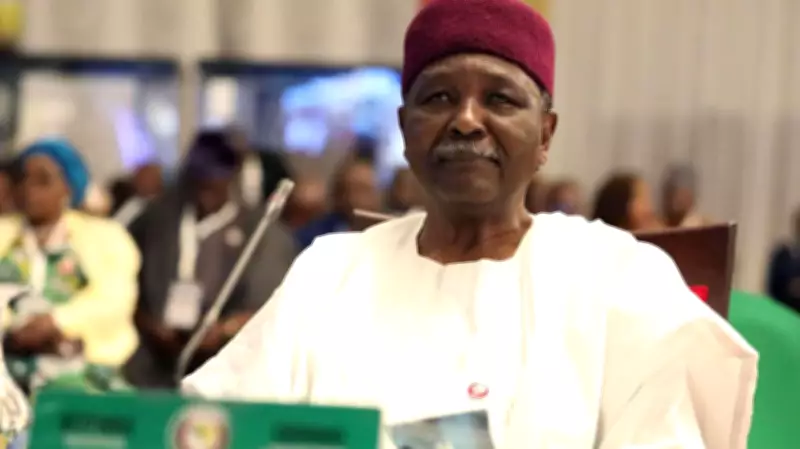
Former Head of State General Yakubu Gowon's memoir, 'My Life of Duty & Allegiance', has sparked widespread discussion but leaves several critical questions about the Nigerian Civil War unanswered. The 859-page autobiography provides an insider account of the 1967-1970 conflict, Gowon's rise to power, and themes of faith and reconciliation, yet it offers limited attention to civilian deaths, humanitarian crises, and alleged corruption.
Unresolved Issues
The memoir has reignited debates over civilian casualties during the 30-month war, with estimates ranging from 600,000 to three million deaths, mostly women and children. Critics note that Gowon's emphasis on national unity and post-war reconciliation does not adequately address the scale of suffering. Allegations of starvation due to blockade policies in the defunct Biafra Republic also remain underexplored, despite international outrage at the time.
Corruption and human rights concerns during Gowon's administration are similarly glossed over. The oil boom era saw rapid government expansion and growing elite corruption, encapsulated by the phrase 'Nigeria's problem is not money but how to spend it.' Observers argue the memoir stops short of detailed reflection on these issues.
Reactions and Criticism
Human rights lawyer Dr. Maxwell Opara criticized Gowon for lacking genuine remorse, calling the memoir a reflection of an 'unrepentant mind.' He questioned why Gowon did not publish the account while Biafran leader Chukwuemeka Odumegwu Ojukwu was alive and called for a direct apology to war victims. Opara also urged the release of IPOB leader Nnamdi Kanu as a symbolic gesture of reconciliation.
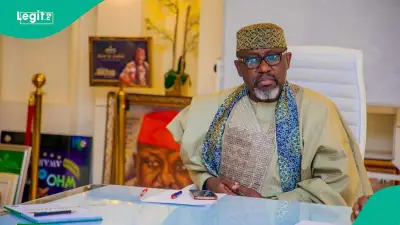
In contrast, analyst Emeka Opah defended the memoir, stating it represents Gowon's personal account and that no single book on the civil war can achieve universal acceptance. He noted Gowon's unique access to state intelligence makes his narrative authoritative, while Ojukwu chose not to write a detailed memoir.
Broader Implications
The memoir is widely acknowledged as an important contribution to Nigeria's political history, offering younger generations insight into a turbulent era. However, it has reopened debates on accountability and reconciliation, with many insisting that the civil war's legacy remains unresolved. The BBC World Service is also releasing a documentary titled 'Surviving Biafra', featuring eyewitness testimonies and archive footage, further fueling these discussions.