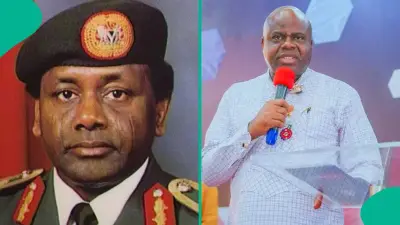
Former Delta State Governor James Ibori has publicly addressed the escalating controversy surrounding alleged sexual assaults during a recent festival in Ozoro, firmly rejecting any connection between the incident and the cultural heritage of the Urhobo and Isoko ethnic groups. In a detailed statement shared on his official Facebook page, Ibori expressed profound shock and described the reports as unprecedented, emphasizing that throughout his extensive residency in Urhobo land, including his eight-year gubernatorial term, he had never encountered such a festival.
Ibori's Initial Disbelief and Verification Efforts
"I must confess that this is the first time I am hearing of a festival of this nature," Ibori stated, revealing that his initial reaction was one of utter disbelief. He explained that he undertook rigorous efforts to verify the claims, engaging with local sources and traditional authorities to ascertain the facts. His intervention comes amid mounting national outrage over allegations that women were sexually assaulted during the festival in Ozoro, which serves as the headquarters of Isoko North Local Government Area in Delta State.
Condemnation of Violence and Caution Against Generalization
The former governor strongly condemned all forms of violence, particularly those targeting vulnerable individuals, asserting that such acts must be unequivocally denounced. However, he issued a caution against attributing the actions of a few individuals to the entire ethnic community, stressing the importance of avoiding broad generalizations that could unfairly stigmatize cultural groups.
Findings from Traditional Institution Engagements
According to Ibori, preliminary findings from his discussions with the traditional institution in Ozoro indicate that the festival in question did not receive the consent or approval of recognized custodians of culture. "Even the custodian of our tradition, whose authority is required for such festivals, was not consulted," he stated, highlighting the lack of official endorsement. He described it as both "unfair" and "most unfortunate" to implicate the Isoko and Urhobo ethnic nationalities in the alleged crimes, arguing that the incident should not be misrepresented as a reflection of their cultural practices.
Dismissal of Social Media Claims
Ibori also addressed and dismissed claims circulating on social media platforms that the Ekene festival is inherently associated with sexual violence. He characterized such assertions as false and misleading, urging the public to rely on verified information rather than unsubstantiated rumors. His statement aims to clarify misconceptions and protect the integrity of Urhobo and Isoko traditions from being unjustly tarnished by isolated incidents.
The controversy has sparked widespread debate about cultural representation and accountability, with Ibori's remarks adding a significant voice to the discourse. As investigations continue, his emphasis on distinguishing between individual misconduct and collective cultural identity remains a key point in the ongoing discussions surrounding the Ozoro festival scandal.