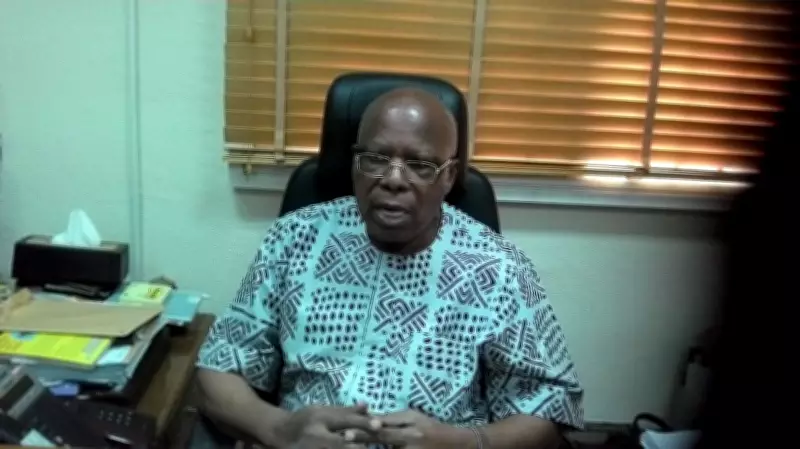
Energy economist and Chairman of International Energy Services Limited, Diran Fawibe, has urged Nigeria to establish an independent, peer-reviewed platform to guide energy policy, warning that critical decisions on subsidy removal, gas development, and sector reforms are being made without sufficient analysis.
Proposal for Nigerian Academy of Energy Economics
Speaking at a conference organized by the Nigerian Association for Energy Economics, where he received a distinguished fellowship, Fawibe proposed the creation of the Nigerian Academy of Energy Economics. This body would provide non-partisan, evidence-based inputs into the country's energy decision-making process.
Current policy challenges
His call comes at a time when Nigeria is grappling with poorly executed policies, including fuel subsidy removal, implementation of the Petroleum Industry Act (PIA), and energy transition. Fawibe noted that despite the energy sector accounting for about 90% of Nigeria's foreign exchange earnings and roughly half of government revenue, there is no independent institutional framework to evaluate the economic implications of associated policies.
"Nigeria needs a standing, peer-recognized body of energy economists to appraise decisions involving tens of billions of dollars annually," he said, pointing out that existing institutions like the Nigerian Academy of Engineering and the Nigerian Academy of Science provide similar advisory roles in their fields.
Subsidy removal example
He cited the removal of fuel subsidies at the start of the current administration as a major policy shift implemented without comprehensive ex-ante economic analysis, triggering a fiscal shock with wide-ranging social and economic consequences.
The economist warned that the country is entering one of its most consequential periods of energy policy making since the 1970s, with debates around the 'Decade of Gas' initiative, operationalization of the PIA, and financing for low-carbon energy systems.
"These decisions are too significant to be left solely to politicians, international oil companies, and government economists," he stressed, emphasizing the need for a credible, independent voice to bridge the gap between policy and academia.