A coalition of respected Nigerian leaders and academics has issued a stark warning about the nation's trajectory, describing the country as standing at a 'dangerous crossroads' due to mounting insecurity, weakening democratic institutions, and contested electoral processes.
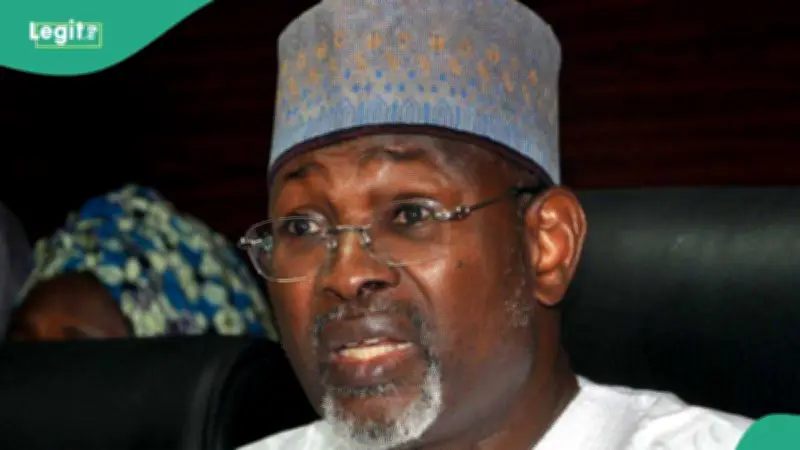
The group, which includes former Independent National Electoral Commission (INEC) Chairman Professor Attahiru Jega, former Chief of Staff to the President Professor Ibrahim Gambari, Professor Jibrin Ibrahim, Dr. Usman Bugaje, Dr. Husseini Abdu, and Abubakar Balarabe Mahmoud (SAN), among others, released a joint document titled 'Statement on the State of the Nation.' In it, they argue that multiple national crises are converging, threatening the stability of Africa's most populous country.
Rising Insecurity and Electoral Concerns
According to a report by Daily Trust, the elders expressed deep concern over escalating insecurity across Nigeria and raised serious questions about the management of elections. They alleged 'clear and consistent indications of the lack of neutrality and competence of INEC,' undermining public confidence in the electoral body.
The statement also highlighted the weakening of democratic institutions, noting that the balance of power is shifting in ways that restrict the independence of the legislature and judiciary. This, they said, has deepened public distrust, encouraged political exclusion, and fostered impunity.
The group linked Nigeria's security challenges to broader instability in the Sahel region, including conflicts and political turmoil in Mali, Burkina Faso, and Niger. They warned that regional instability is exacerbating Nigeria's own security problems.
Call for Sahel Envoy and Democratic Action
To address these challenges, the elders recommended that the federal government appoint a Special Envoy for the Sahel to enhance cooperation between the Economic Community of West African States (ECOWAS) and Sahel Alliance countries.
They also urged civil society organizations, professional bodies, and religious leaders to take a more active role in defending democratic values ahead of the 2027 general elections. Specifically, they called for stronger engagement with institutions such as the judiciary and the National Judicial Council to rebuild public trust in the justice system.
The statement emphasized the need for broader civic action to safeguard democracy, warning that without urgent intervention, the country could face further deterioration.
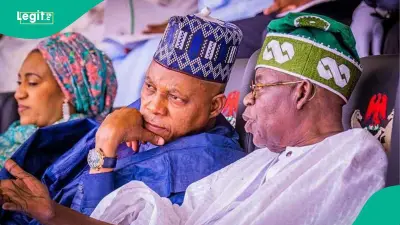
In a related development, President Bola Tinubu recently reiterated his administration's commitment to tackling insecurity and economic hardship. Speaking through the Secretary to the Government of the Federation, George Akume, at a Democracy Day church service in Abuja, Tinubu declared that Nigeria will not surrender to terrorism, banditry, or criminal intimidation. He stressed that security remains a top priority and that government reforms aim to alleviate economic suffering nationwide. Akume also called for national unity ahead of the 2027 elections and confirmed that security agencies are being reinforced to protect lives, restore peace, and secure abducted citizens.