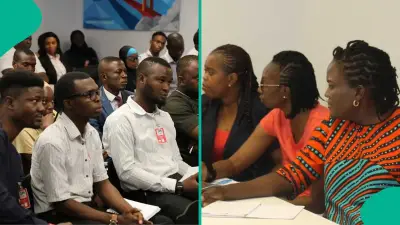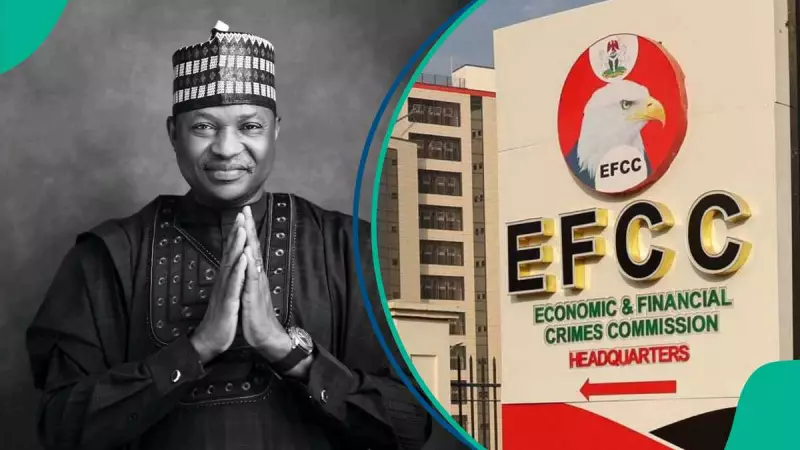
A wave of solidarity has swept through Kebbi State as youths took to the streets to demand the release of former Attorney-General of the Federation (AGF), Abubakar Malami (SAN), from the custody of the Economic and Financial Crimes Commission (EFCC).
Protest Erupts in Birnin Kebbi Over Malami's Detention
On Saturday, December 20, a group of young demonstrators in Birnin Kebbi, the Kebbi State capital, voiced their support for the former minister. The protest highlights the growing tension surrounding Malami's prolonged detention by the anti-graft agency. The former public official, who served under ex-President Muhammadu Buhari from 2015 to 2023, is being investigated for a slew of serious allegations.
The EFCC is probing Malami for 18 separate offences, which include money laundering, abuse of office, and the highly sensitive charge of terrorism financing. Reports indicate the commission is scrutinising several bank accounts and multi-billion-naira investments in Kebbi State allegedly linked to him.
A Timeline of Accusations and Counter-Accusations
The legal ordeal for the 58-year-old senior advocate began when he was first invited by the EFCC on November 28. The invitation was related to questions about the recovery of the Sani Abacha loot during his tenure as AGF. Following the interrogation, Malami took to his social media on November 29 to declare the session productive and label the allegations against him as "fabricated."
However, the situation escalated when he returned to the EFCC on December 8. He has remained in custody since then, reportedly for failing to meet his bail conditions. His detention occurred shortly after he publicly declared his interest in contesting the Kebbi State governorship election in 2027, fueling speculation about political motivations behind the probe.
Adding to the drama, EFCC operatives on Wednesday, December 17, conducted raids on Malami's homes and offices in both Abuja and Kebbi State. The commission confirmed the searches as a necessary part of its investigation. In response, Malami's media team alleged the raids were retaliatory, triggered by a press release they issued referencing the Justice Ayo Salami Judicial Commission of Inquiry report.
Malami claims the report indicted the current EFCC Chairman, Ola Olukoyede, for his activities as the commission's secretary between 2018 and 2020. He has consequently called for Olukoyede to step aside from his probe. The EFCC chairman had previously, in July, denied any wrongdoing cited in the Salami report, stating he was unjustly suspended and later vindicated and reinstated by the Tinubu administration.
Political Undertones and Presidential Clarification
The case has sparked significant debate on social media, with many commentators suggesting Malami is a victim of political persecution. The EFCC has consistently refuted claims of its investigations being weaponised for political ends.
In a related development, the presidency felt compelled to clarify President Bola Tinubu's stance. Presidential spokesperson Bayo Onanuga stated that President Tinubu does not direct anti-corruption agencies on who to investigate, arrest, or prosecute. This statement aimed to dismiss mounting allegations of executive interference in the EFCC's operations.
As the former minister remains in detention and his supporters protest, the case continues to unfold, raising critical questions about accountability, the independence of anti-corruption agencies, and the intersection of law and politics in Nigeria.