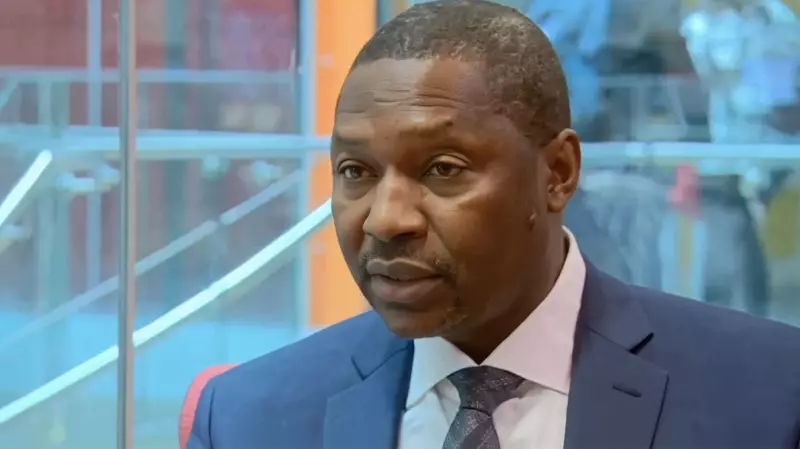
The fairness and methods of Nigeria's Economic and Financial Crimes Commission (EFCC) are under intense scrutiny once again. This follows a recent opinion piece by renowned journalist Dr. Reuben Abati titled "The Knee On EFCC’s Neck," which has ignited widespread debate. Central to this debate is the ongoing case against former Attorney-General of the Federation, Abubakar Malami SAN, his wife, and his son.
A Curious Case of Who is Charged and Who is Not
The prosecution of Malami, his fourth wife Mrs. Asabe Bashir, and his son Abdulaziz Malami, has raised pointed questions about the EFCC's strategy. A key point of contention, discussed on various platforms including a WhatsApp group referenced by commentator Kabir Abubakar, is why Mrs. Asabe, an employee of Rahamaniyya Properties Ltd, faces money laundering charges while her employer and the company's owner, Alhaji Abdulrahman Musa Basheer (widely known as Rahamaniyya), does not.
Rahamaniyya, a prominent figure in Nigeria's oil sector and a long-known associate of Malami, is instead listed as a prosecution witness. This decision is viewed as highly unusual in legal and corporate circles. Anti-graft agencies typically pursue both individuals and the corporate entities involved in alleged financial crimes to ensure full accountability.
The Controversial Witness and Historical Connections
The choice of Rahamaniyya as a witness is particularly controversial given his background. Public records show he has faced convictions for fraud. Earlier this year, a Dubai court sentenced him to one year in prison for issuing dud cheques. In 2020, a UK court jailed him for 10 months for breaching court orders in a case involving Sahara Energy Resources.
Furthermore, Rahamaniyya's business dealings are deeply intertwined with Malami's tenure. He is reported to have acted as Malami's associate in several transactions under EFCC scrutiny. One major example is the Paris Club refunds, where Rahamaniyya's company, Shield Energy Ltd., was allegedly used to divert millions of dollars in public funds disguised as consultancy fees. It is also noted that Rahamaniyya settled most of his debts with the Asset Management Corporation of Nigeria (AMCON) during Malami's time as AGF.
Given this history, his emergence as a prosecution witness, rather than a co-defendant, has fueled allegations of a deal. Critics argue that such arrangements, where a key beneficiary of alleged crimes testifies for the state, can undermine the integrity of the prosecution and suggest selective application of justice.
Broader Allegations of Bias and Political Persecution
The concerns in the Malami case echo wider accusations against the EFCC highlighted in Dr. Abati's article. Bauchi State Governor Bala Mohammed, also facing EFCC charges, has publicly stated that he is being targeted for refusing to join the ruling All Progressives Congress (APC). He has vowed to "declare war" if the persecution continues, a sentiment supported by various groups in his state.
Similarly, Abubakar Malami has vehemently denied all allegations, calling them "baseless, illogical and wholly devoid of substance." He asserts the EFCC is motivated by "deep-seated historical animosity, personal vendetta, bias and retaliatory persecution," and has called for the EFCC Chairman to step aside.
Implications for Nigeria's Anti-Corruption Fight
This case transcends the individuals involved and touches on the core credibility of Nigeria's institutions. Selective prosecution, especially when it appears to spare powerful, connected entities, erodes public trust in the justice system. The decision not to charge Rahamaniyya Properties Ltd. and its owner, despite their central role in the implicated transactions, may not only weaken the case but also reduce the deterrent effect such prosecutions are meant to have.
As Kabir Abubakar notes, the prosecution's case does not hinge on Rahamaniyya's confession; the facts should speak for themselves. This situation forces a critical public examination of whether Nigeria's anti-corruption campaign is applied consistently or is susceptible to manipulation and selective enforcement.