The Minister of Humanitarian Affairs and Poverty Reduction, Dr. Bernard M. Doro, has called on citizens, corporate organisations, state governments, faith-based institutions, community leaders, and development partners to extend compassion and support to the 258 Nigerians recently returned from South Africa, describing their successful reintegration as a shared national responsibility.
A Call for Compassion on Democracy Day
In a statement released on Friday, the Minister stated in clear terms that Democracy Day is not only an occasion to celebrate democratic governance and constitutional freedoms, but also an opportunity to reflect on the values that bind Nigerians together as one people—particularly compassion, solidarity, inclusion, and collective responsibility in supporting one another during difficult times.
“One of the greatest expressions of democracy is our ability to care for one another. A society is ultimately judged not only by the strength of its institutions, but by how it treats its most vulnerable citizens and those facing difficult circumstances,” he said. “As we celebrate our democratic journey, we must also recommit ourselves to the values of empathy, unity, and shared responsibility that make national progress possible.”
Reception at Murtala Muhammed International Airport
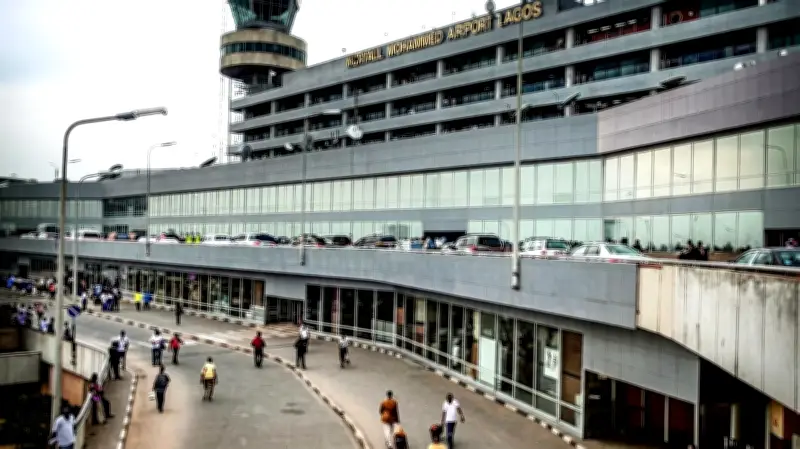
The Minister’s appeal follows the successful reception of 258 Nigerian returnees from South Africa, who arrived at the Murtala Muhammed International Airport, Lagos, aboard a chartered Air Peace flight facilitated by the Federal Government as part of ongoing efforts to support Nigerians facing challenges abroad and ensure their safe and dignified return home.
Dr. Doro, who led other government officials in receiving the returnees, emphasised that while the Federal Government has taken significant steps to support their return and reintegration, the process of rebuilding lives requires broader societal participation.
“The government cannot do it alone. We welcome the support of the private sector, development organisations, philanthropic institutions, state governments, and citizens willing to partner in restoring dignity, rebuilding lives, and creating opportunities for our people,” he said. “Many of these Nigerians have endured difficult experiences and an abrupt disruption of their lives and livelihoods. As they return home, our collective responsibility is to help them recover, reintegrate, and rediscover hope.”
Appreciation for Presidential Leadership
Dr. Doro expressed profound appreciation to President Bola Ahmed Tinubu, GCFR, for his unwavering commitment to the welfare, dignity, and protection of Nigerians both at home and abroad. He noted that the successful return exercise reflects the President’s compassionate leadership and the administration’s determination to ensure that no Nigerian is abandoned, regardless of where they may be.
“President Bola Ahmed Tinubu has demonstrated a strong commitment to the welfare of Nigerians wherever they may be. The successful return of these citizens reflects that commitment and reinforces the principle that every Nigerian matters,” he said.
Beginning of a New Journey
According to the Minister, the return of the Nigerians marks not merely the end of a difficult chapter but the beginning of a new journey focused on reintegration, recovery, and renewed opportunity. He urged families, communities, employers, faith-based organisations, and civil society groups to play active roles in helping the returnees regain stability and confidence as they settle back into society.
“It is difficult for anyone to suddenly leave behind a place where they have built a livelihood, established relationships, and planned a future. The emotional impact extends beyond the adults to children whose education, friendships, and daily lives have also been disrupted,” he said. “This is why families and communities have an important role to play in creating a supportive environment that encourages healing, stability, and hope.”
Reintegration Efforts Underway
While acknowledging the importance of the return exercise, Dr. Doro stressed that the real work begins after arrival. He disclosed that beyond reception, health screening, profiling, and documentation, efforts have already commenced to support reintegration through humanitarian assistance and strategic partnerships designed to facilitate economic and social recovery.
Profiling conducted after the exercise revealed that a significant majority of the returnees migrated for socioeconomic reasons, highlighting the need for continued investment in job creation, skills development, economic empowerment, and social protection programmes.
“The experiences of these returnees remind us of the importance of creating opportunities at home while strengthening systems that protect vulnerable populations and support sustainable livelihoods,” he said. “As a nation, we must continue to address the root causes of vulnerability while creating pathways to opportunity, resilience, and prosperity.”
Commendation for Support Partners
The Minister also commended organisations, institutions, and individuals that have supported the reintegration process, urging others to emulate their example. He noted that interventions provided include livelihood starter packs, financial support packages, and other assistance aimed at helping beneficiaries regain economic independence. Additional support, he said, has been provided through partnerships with private sector organisations, philanthropic stakeholders, and state-level initiatives.