NDDC Deepens Stakeholder Engagement on Public Assets Ownership and Security
The Niger Delta Development Commission (NDDC) has significantly intensified its efforts to engage stakeholders across the Niger Delta region, focusing on enhancing community ownership and security of public assets. This initiative comes in response to a disturbing pattern of vandalism affecting numerous projects delivered by the commission, which has raised serious concerns about sustainable development in the area.
Addressing Vandalism Through Collaborative Efforts
Over the years, the NDDC has implemented various intervention programmes aimed at alleviating suffering and improving the lives of people in its host communities. The nine mandate states—Abia, Akwa-Ibom, Bayelsa, Cross-River, Delta, Edo, Imo, Rivers, and Ondo—have witnessed the commissioning of landmark projects that have transformed the regional landscape. Under the leadership of Managing Director Dr. Samuel Ogbuku, the commission has been committed to a transformative agenda, moving away from narratives of neglect and squalor.
For instance, the "Light Up the Niger Delta Initiative" has successfully deployed hundreds of thousands of solar-powered street lights across towns and rural areas. This has led to improved security, access to renewable energy, and enhanced nighttime socio-economic activities. However, despite these achievements, many completed projects have become vulnerable to vandalism and other forms of abuse, undermining their objectives and resulting in avoidable revenue waste.
Stakeholder Engagement Sessions Across the Region
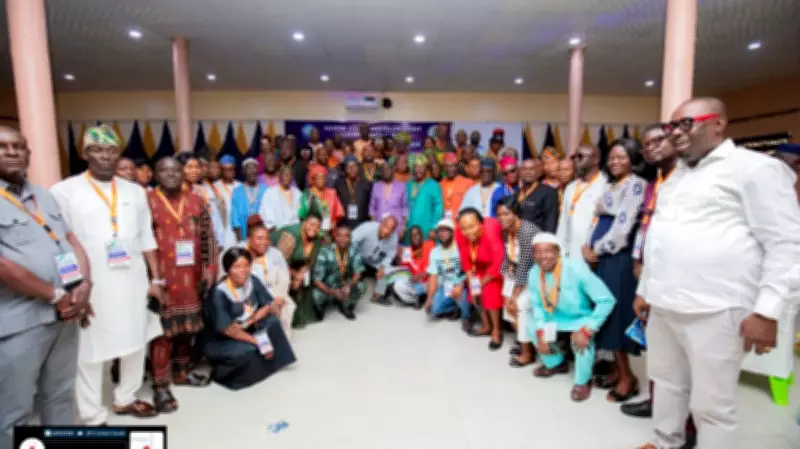
To combat these issues, the Corporate Affairs Directorate of the NDDC, in partnership with consultants, embarked on a series of engagement sessions across all nine mandate states. These sessions, held from February to March 2026, provided platforms for stakeholders to brainstorm on shared responsibility for project ownership and protection. Key officials, including Executive Director of Corporate Services Ifedayo Abegunde and Director of Peace and Development Projects Mr. Francis Abayomi, emphasized the need for community involvement.
Abegunde decried the destruction of government projects, noting that vandalism, theft, and insufficient community engagement have compromised assets intended for collective well-being. Abayomi highlighted that the programme aims to mobilise inclusive engagement to optimise the benefits of NDDC initiatives for communities.
Regional Perspectives and Community Responses
During the engagements, state directors and representatives shared insights and urged communities to take greater ownership. In Rivers State, Director Okezie Ule lamented that solar-powered street lights, installed to improve security, have been vandalised shortly after installation. He stressed the importance of equipping participants with knowledge and strategies to protect projects.
In Cross River State, Director Daniel Ajunwa pointed out that while NDDC has executed several intervention programmes, a lack of community ownership remains a serious challenge. He advised youths to form vigilante groups to safeguard properties. Similarly, in Akwa Ibom State, Director Evong Moduck Evong called for active stewardship, emphasizing that sustainability depends on host communities' commitment.
In Ondo State, Director Kunle Karaki described vandalism as a major setback, urging communities to engage in active vigilance and reporting. He explained that the engagement programme aims to foster a culture of ownership for future generations. Across other states, including Bayelsa, Imo, Edo, Delta, and Abia, directors echoed these sentiments, encouraging communities to protect projects and report vandals to security agencies.
Project Implementation and Community Input
Addressing concerns about project relevance, officials clarified that NDDC projects are informed by community needs assessments and stakeholder inputs. Communities regularly submit requests, and the commission conducts assessments before incorporating projects into budgets for National Assembly approval. For example, in Abia State, Director Anderson Ukeh noted that the commission has executed over 19,000 projects, with many yet to be completed, and urged youths to support efforts for lasting benefits.
Participants across the states unanimously expressed willingness to prioritize project protection through sustained sensitization and collective responsibility. This initiative underscores the NDDC's commitment to moving from transaction to transformation, ensuring that development efforts in the Niger Delta are not retarded by vandalism.