Nigeria, a nation of deep religious piety, often turns to prayer as a response to its persistent insecurity. However, this reliance on divine intervention may itself be an affront to justice and the excluded masses, argues Chidi Anselm Odinkalu in a critical reflection on the country's trajectory.
The Paradox of Prayer in Nigeria
Nigeria's history is steeped in prayer. From its first national anthem, which begged God to help build a nation where no man is oppressed, to the current anthem's plea for peace and justice, the country has consistently sought heavenly solutions. Yet, these prayers have not prevented pogroms, civil war, coups, and the killing of leaders. The second anthem, introduced in 1978, fared no better, as military usurpers used it to legitimize treason. The Catholic Church's 'Prayer for Nigeria in Distress,' launched in 1993, admits the nation's sins but offers no compelling reason for divine mercy, essentially asking God to spare Nigeria from the chaos it deserves.
The Failure of Ritual Prayer
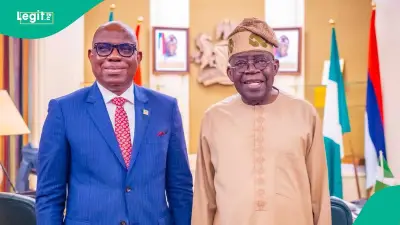
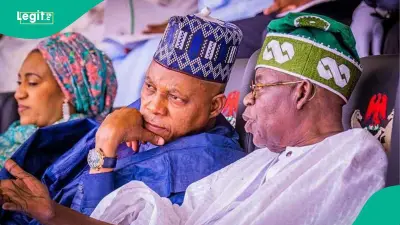
Despite decades of prayer, insecurity has worsened. Clerics have blessed corrupt politicians, and leaders like President Bola Ahmed Tinubu have turned the country into a gaggle of 'prayer warriors.' Governors from Kebbi, Borno, Benue, and Zamfara have called for divine intervention or funded pilgrimages to pray against banditry. Yet, these efforts have yielded little tangible results, as the underlying issues of injustice and exclusion remain unaddressed.
Tagore's Prophetic Warning
Odinkalu draws on Rabindranath Tagore's Gitanjali, written before Nigeria's amalgamation, to highlight the real prayer Nigeria needs. Tagore's poem warns that those who avoid human touch and show contempt for the deity in man will face a terrible reckoning. Nigeria's excluded underclass—the victims of social exclusion, poverty, and state neglect—are the ones who will demand their due. From jihadists in the north-east to separatists in the south-east, many claim to act in God's name, reflecting the state's failure to care for its people.
The Coming Reckoning
As Nigeria approaches the 2027 elections, the authors of the current script must pray that the excluded do not rise to claim what is theirs. If they do, they will present a proposition for which there are not enough prayers or bullets. Tagore's words echo: 'Whoever you fling to a lower level will bind you to that level. Whoever you keep behind your back is only dragging you backwards.' Nigeria must equalize with its affronted masses, not through prayer, but through justice.
Odinkalu, a lawyer and teacher, concludes that prayer without addressing systemic injustice is an affront to the very people it claims to save.