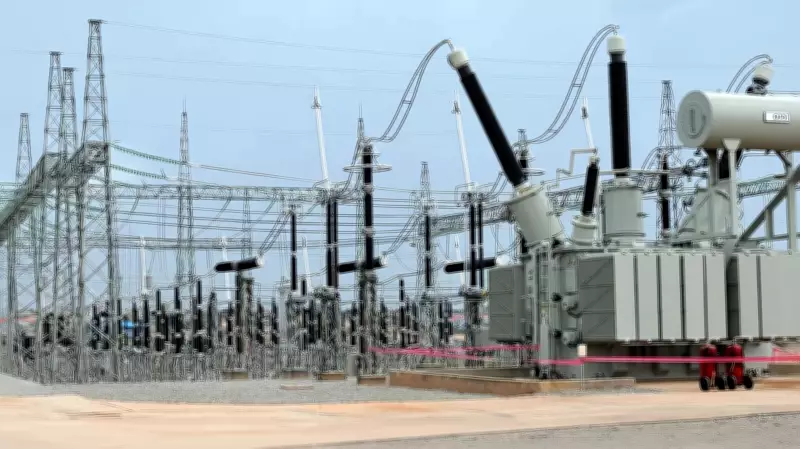
The International Human Rights Commission-Relief Fund Trust (IHRC-RFT), Nigeria Chapter, has declared that Nigeria's electricity crisis has escalated beyond mere inconvenience and must now be addressed as a serious human rights issue.
IHRC Calls for Urgent Action
The Country Director of the organisation, Ambassador Abdullahi Bakoji Adamu, issued a statement calling on the government to take immediate and practical measures to resolve the country's power sector challenges. He emphasised that access to stable electricity is fundamentally linked to the well-being and dignity of citizens.
“Nigeria’s electricity crisis has moved beyond inconvenience. It is now a matter of human rights, dignity, and national development,” Adamu stated.
Global Human Rights Standards
Adamu explained that global human rights standards, including provisions of the Universal Declaration of Human Rights, support the necessity of access to basic services that ensure a decent standard of living. He noted that critical sectors such as healthcare, education, and small businesses cannot operate effectively without reliable electricity.
“Hospitals, schools, industries, and small businesses cannot function in darkness. The dignity of citizens cannot depend on generators and fuel scarcity,” he said.
Concerns Over Presidential Residence
The IHRC official also expressed concern over reports that the Presidential residence has shifted away from the national grid to alternative power sources, questioning what this implies for ordinary Nigerians. “If the highest office in the land no longer depends on the national grid, what assurance is left for ordinary Nigerians?” he asked.
He further questioned the affordability of alternative energy solutions like solar power for the average citizen. “If solar is the solution, how many struggling Nigerians can afford installation? Does this suggest that every citizen must independently provide electricity?” he queried.
Government Responsibility
Adamu stressed that it remains the government's constitutional obligation to provide reliable public infrastructure, including electricity. “Where then lies government’s constitutional obligation to provide public infrastructure?” he asked.
Describing the statement as constructive criticism rather than political opposition, he urged authorities to be transparent and accountable in addressing the power crisis. “We are calling for a transparent and time-bound national electricity reform plan and public disclosure of generation and distribution realities,” he said.
He added that access to electricity should be treated as a priority for both development and human rights. “Nigeria cannot industrialise in darkness. Democracy cannot flourish without accountability. And the people deserve light not uncertainty,” he concluded.