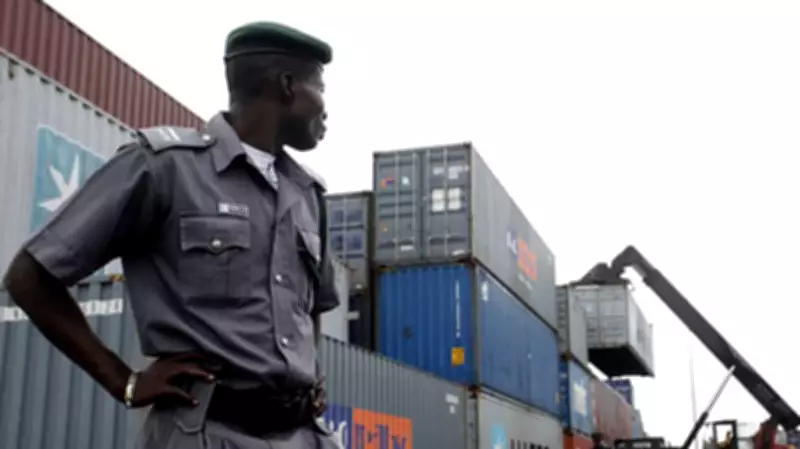
In a critical analysis spanning two decades, a concerned Nigerian has called for the scrapping of the KLT Lagos Customs Area Command, describing it as a redundant entity that fails to justify federal government resources. The command, despite its vast landmass and inland waterway facilities, has reportedly been 98 percent idle annually for the past 20 years, contributing minimally to port economy facilitation.
The Idle Giant
The KLT Command, which boasts over 120 officers and a full port hierarchy, occupies a land space larger than Tincan Island Port. Yet, while Tincan generates an average of N100 billion monthly, KLT struggles to produce N3 billion. The command oversees Phases 1, 2, 3, and 4, along with more than 10 bonded terminals, but remains largely unproductive. The Ministry of Finance is urged to verify this through the command's monthly returns over the past two decades.
Impact on Port Congestion
The redundancy of KLT is directly linked to persistent port congestion in Lagos, high operational costs, and prolonged cargo dwelling periods. Critics argue that moving cargoes to KLT would reduce congestion, but some stakeholders cite additional costs. However, the cost of congestion, demurrage, and ship berthing delays far outweighs the expense of transferring cargoes to KLT. For comparison, Cotonou Port efficiently distributes cargoes to external terminals, minimizing berthing delays.
Three Major Reasons for Inefficiency
1. Reluctance of Mother Ports
Apapa and Tincan Island Ports Customs commands have been unwilling to release cargoes to KLT, fearing revenue loss. This practice undermines the federation account and perpetuates inefficiency. Authorities must recognize that distributing cargoes can enhance revenue collection while reducing congestion and customer delays.
2. Complacency at KLT
Officers at KLT appear indifferent to the command's idleness, as salaries and emoluments are paid regardless of output. No private investor would tolerate such non-performing units. The command supervises bonded terminals that are privately funded yet dying due to lack of oversight and activity.
3. Inaction by Customs Authorities
For 20 years, successive Customs heads have ignored petitions and complaints about KLT. This systemic failure hinders ease of doing business. Technology alone cannot solve port inefficiency without proper cargo distribution, as seen in efficient foreign ports.
Recommendations
The author suggests that the Minister of Finance immediately scrap the idle KLT Customs Area Command and reassign its bonded terminals to Tincan Island and Apapa Ports commands. Alternatively, restructure the Customs system to integrate KLT into port support functions. After two decades of waste, decisive action is needed to reverse inefficiency and improve Nigeria's port business environment.