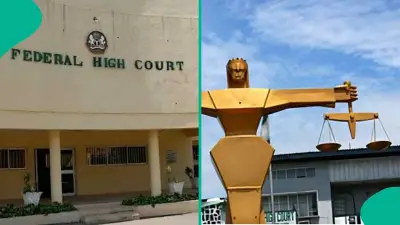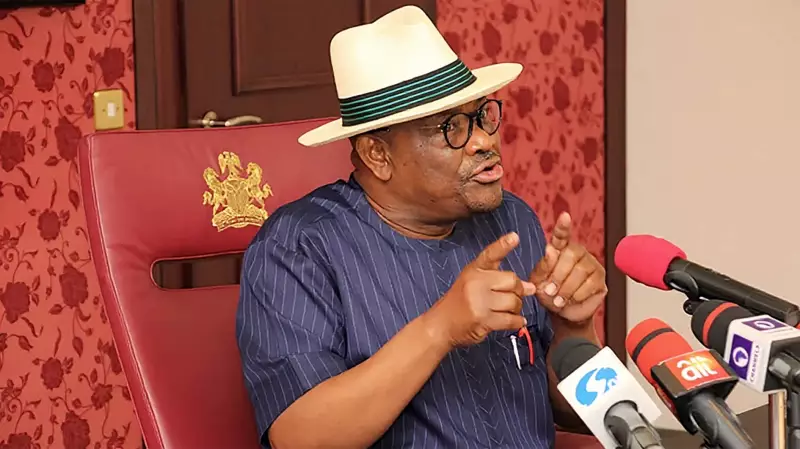
The Socio-Economic Rights and Accountability Project (SERAP) has taken a decisive legal step, dragging Nigeria's 36 state governors and the Federal Capital Territory (FCT) Minister, Nyesom Wike, before a Federal High Court. The lawsuit, filed in Lagos, centers on their alleged failure to account for the massive ₦14 trillion saved from the removal of the petrol subsidy.
Legal Battle for Public Accountability
In the suit marked FHC/L/MSC/1424/2025, SERAP is asking the court to compel the governors and Minister Wike to publicly disclose how they have spent the increased allocations from the Federation Account Allocation Committee (FAAC). These funds have flowed to states since the controversial subsidy was halted in May 2023.
The organization, represented by lawyers Oluwakemi Agunbiade and Valentina Adegoke, demands the publication of detailed project lists funded by these savings and their completion status. SERAP argues this is a fundamental constitutional right of every Nigerian. “Nigerians ought to know in what manner public funds, including fuel subsidy savings, are spent,” the group stated in its court filing.
The Stakes: Poverty, Secrecy, and Alleged Misuse
SERAP contends that the savings were specifically meant to cushion the devastating impact of subsidy removal on poor and vulnerable citizens. “The savings from the removal of fuel subsidy ought to be spent solely for the benefit of the poor and vulnerable Nigerians,” the suit argues. It warns that opacity in spending erodes public trust and exacerbates poverty, creating a “morally repugnant result of double jeopardy.”
The lawsuit highlights a troubling disconnect: despite record FAAC disbursements, millions see no improvement in essential services. FAAC distributed ₦28.78 trillion in 2024, a staggering 79% increase, with state allocations alone rising 45.5% to ₦5.22 trillion. Monthly shares in 2025 have consistently exceeded ₦1.6 trillion.
Yet, SERAP points to reports of questionable expenditures by some states, including funding for:
- Unnecessary overseas travels
- Purchase of exotic and bulletproof vehicles
- Funding lavish political lifestyles
This occurs while many states struggle to pay salaries and pensions, and citizens face worsening poverty.
Constitutional and International Mandates
SERAP grounds its case in Nigeria's constitutional provisions that mandate public institutions to abolish corruption and use resources for the common good. It also cites Nigeria's obligations under the UN Convention against Corruption and a landmark Supreme Court ruling.
That crucial judgment affirmed that the Freedom of Information Act applies universally to all public records, including those held by state governments. This strips governors of any excuse to hide information from the public.
“Combating the corruption epidemic in the spending of the money collected would alleviate poverty, improve access of Nigerians to basic public services,” SERAP asserted, framing the suit as a fight for democratic accountability. No hearing date has been set for this potentially groundbreaking case.