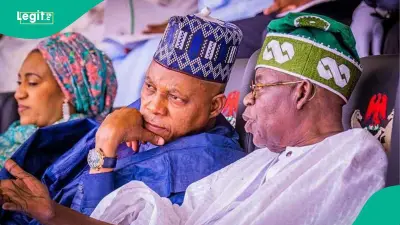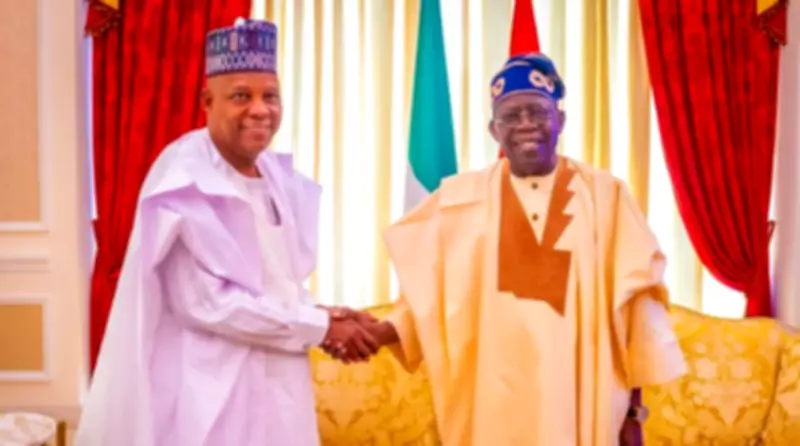
Vice-President Kashim Shettima has disclosed that some individuals attempted to create distrust between him and President Bola Tinubu shortly after their inauguration, alleging that he intended to harm the president and seize power. Speaking on Tuesday in Abuja at the public presentation of the autobiography of former military head of state Yakubu Gowon, Shettima recounted that the incident occurred about three months after they assumed office.
The Allegations
Shettima explained that the individuals warned President Tinubu against wearing traditional outfits that the vice-president had given him during the 2023 campaign, claiming the clothes were allegedly “charms” intended to harm him. “When we were campaigning for him to emerge as the candidate of the APC, I got some materials and caps for him… some aides later said he should stop wearing them,” Shettima said.
Tinubu's Response
The vice-president noted that the President was later informed that he should stop using the outfits. However, after clarification, Tinubu reportedly dismissed the claims. Shettima said Tinubu told him that the story “did not add up”, emphasising that he had worn the garments even when he was still an aspirant. According to Shettima, the President went on to wear the same outfits for about a week to debunk the rumours.
Political Manipulation
Shettima described the episode as part of wider political manipulation aimed at creating distrust within leadership circles. He used the occasion to reflect on unity in governance, stating that Nigeria’s stability depends on resisting divisive narratives.
Gowon's Legacy
The vice-president praised Gowon’s leadership style, noting that the former head of state’s legacy demonstrated that national identity could be upheld without hostility. Shettima added that regional cooperation in West Africa, including the formation of ECOWAS, remains one of Gowon’s most significant contributions to the continent. He said the vision behind ECOWAS was rooted in security cooperation, economic integration and diplomatic unity among West African states.
“The challenges confronting West Africa may have changed in form, but their underlying demands remain familiar,” he said.