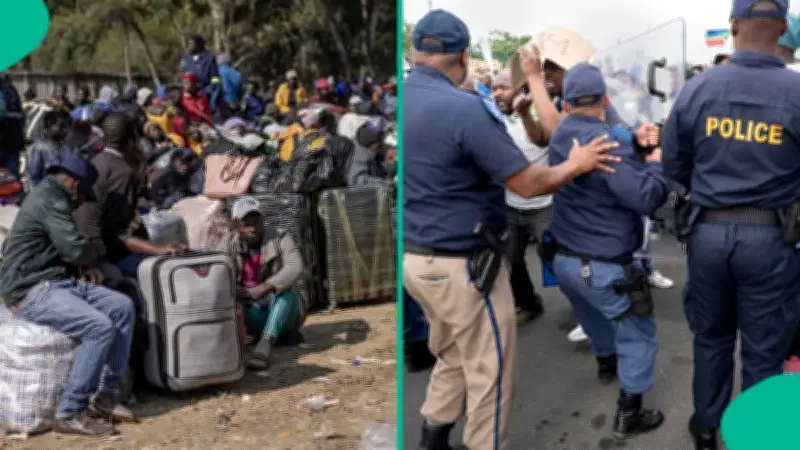
South Africa's Justice and Constitutional Development Minister Mmamoloko Kubayi confirmed on Sunday that authorities have processed 53,499 foreign nationals for deportation or repatriation in the five weeks since large-scale anti-immigration protests swept through major cities. Malawians topped the list of deported nationals, followed by Zimbabweans and Mozambicans, and officials say the numbers could rise further as operations continue.
Government Confirms Deportation Figures
Speaking at a news conference in Pretoria, Minister Kubayi stated that the effort aimed to strike a balance between responding to citizens' concerns and upholding the rights of all people within South Africa's borders, regardless of their immigration status. She also noted that the deportation operations had enabled authorities to identify and detain individuals wanted by police for alleged criminal offences. Police figures show that approximately 50,000 migrants have been arrested since January on suspicion of being in the country without legal documentation.
What Sparked the Deportations
The wave of removals followed mass demonstrations on June 30, when thousands of South Africans took to the streets to demand the expulsion of undocumented migrants. Protesters blamed migrants for high unemployment, rising crime, and the deterioration of public services. After the marches, the movement showed no signs of winding down. Jacinta Ngobese-Zuma, leader of the March and March movement, announced that protests would continue every Thursday for the next six months, with the stated goal of compelling the government to remove all undocumented migrants from the country.
Government Response and Broader Concerns
Official records indicate that more than three million documented foreign nationals are currently resident in South Africa, though authorities acknowledge that a significant but uncounted number of undocumented individuals also remain in the country. President Cyril Ramaphosa publicly acknowledged the concerns driving the demonstrations but condemned attacks on migrants and cautioned citizens against taking the law into their own hands. Authorities separately warned protesters to stop conducting unauthorised searches of homes and businesses suspected of sheltering undocumented migrants.
The United Nations issued a caution against using migrants as scapegoats for South Africa's socioeconomic difficulties. In a separate but related development, the Department of Home Affairs said it had blocked the identity documents of some citizens and launched an investigation into their validity. Those affected were directed to present themselves to officials, with the department warning that failure to act could result in permanent cancellation of the documents.
Regional Repatriations and Political Reactions
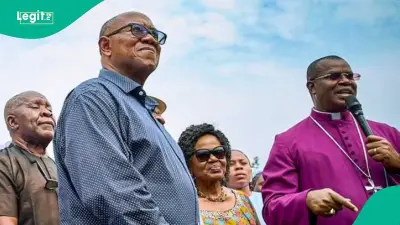
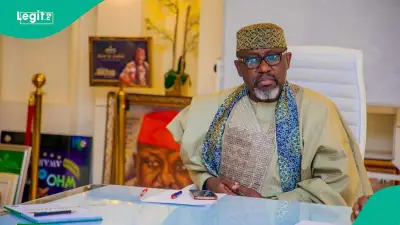
Several countries, including Ghana, Nigeria, Uganda, and Kenya, have already repatriated large numbers of their citizens from South Africa amid the ongoing tensions. Meanwhile, the Nigerian Senate rejected calls to use South African company profits to compensate xenophobic attack victims. Senator Oshiomhole advocated for Nigerian compensation, citing the South African minister's refusal. The calls for nationalisation of South African firms in Nigeria met resistance in the Senate.