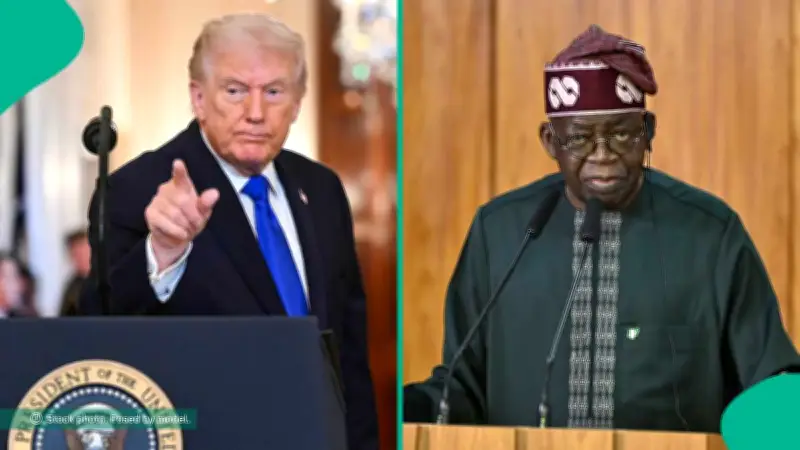
The United States has imposed a 12.5% tariff on goods imported from Nigeria, citing the country's failure to prohibit the entry of products made using forced labour. The Office of the United States Trade Representative (USTR) published the announcement on its official website on Thursday, naming Nigeria among 60 economies subject to the new trade measure. A Federal Register notice confirmed that the 12.5% rate would apply to Nigerian products, except for items covered under specified exemptions.
Lower Tariff for Countries with Forced Labour Bans
Countries that have already enacted or committed to enacting bans on forced-labour-linked imports will face a lower 10% tariff. Nigeria was not placed in that category. India, Indonesia, Malaysia, Mexico, and the United Kingdom were among those qualifying for the reduced rate.
Background of the Tariff Decision
The USTR launched investigations in May 2026 into 60 of America's largest trading partners under Section 301 of the Trade Act, looking at whether each country had taken sufficient steps to prohibit imports tied to forced labour. The agency said it received more than 1,600 written submissions, heard from over 100 witnesses at public hearings, and consulted with more than 45 governments during the process before arriving at its final determinations.
Washington's position is that economies that have not imposed and effectively enforced such prohibitions should face the higher tariff rate, while those taking concrete steps on forced labour commitments earn the reduced levy.
Full List of Countries Affected by US Tariff
The complete list includes: Algeria, Angola, Argentina, Australia, The Bahamas, Bahrain, Bangladesh, Brazil, Cambodia, Canada, Chile, China (People's Republic of), Colombia, Costa Rica, Dominican Republic, Ecuador, Egypt, El Salvador, European Union, Guatemala, Guyana, Honduras, Hong Kong (China), India, Indonesia, Iraq, Israel, Japan, Jordan, Kazakhstan, Kuwait, Libya, Malaysia, Mexico, Morocco, New Zealand, Nicaragua, Nigeria, Norway, Oman, Pakistan, Peru, Philippines, Qatar, Russia, Saudi Arabia, Singapore, South Africa, South Korea, Sri Lanka, Switzerland, Taiwan, Thailand, Trinidad and Tobago, Türkiye, United Arab Emirates, United Kingdom, Uruguay, Venezuela, and Vietnam.
According to the USTR, the tariff aims to address concerns over forced labour in global supply chains. The decision follows extensive reviews and consultations, with over 1,600 submissions and input from more than 45 governments.