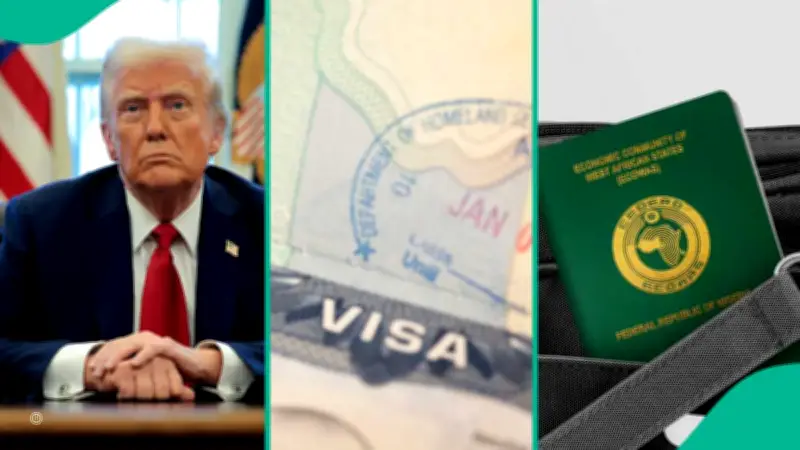
The United States Department of Homeland Security (DHS) has announced a major overhaul of visa rules for international students, exchange visitors, and foreign journalists, replacing the longstanding duration-of-status system with fixed admission periods. The new rule, unveiled on July 16, 2026, will take effect approximately 60 days after publication in the Federal Register, pending congressional review, meaning implementation could begin around September 2026.
New Fixed Admission Periods for F, J, and I Visas
Under the revised framework, F visa holders (international students) and J visa holders (exchange programme participants) will be permitted to stay in the United States for a maximum of four years per admission. Previously, these visa categories allowed holders to remain for the full duration of their academic programme, exchange engagement, or media posting with no fixed end date attached to admission itself.
Foreign journalists on I visas face tighter constraints, with their authorised stay capped at 240 days. Journalists from China will be restricted to just 90 days. According to Reuters, anyone whose studies, exchange programme, or media assignment extends beyond these windows must either secure an extension from DHS or depart the country and seek fresh admission.
Impact on Nigerians
The changes carry direct consequences for the thousands of Nigerians who travel to the United States annually for university education, cultural and professional exchange programmes, and media work. Students enrolled in postgraduate or extended undergraduate programmes that run longer than four years will now need to plan for a formal extension or a return trip to restart their admission clock. Nigerian journalists on assignment in the United States will similarly need to renew their status more frequently if their posting stretches beyond the 240-day validity window.
Trump Administration's Immigration Agenda
The new visa restrictions sit within President Donald Trump's broader immigration agenda, which has intensified since he returned to office in January 2025. His administration has moved to tighten oversight of legal immigration alongside enforcement against undocumented entry, including revoking certain student visas and scrutinising green card holders more closely.
DHS justified the latest rule by pointing to a surge in temporary visitor numbers. The department recorded more than 1.8 million student visa admissions in 2024, a rise of over 11% from the preceding year. It also issued visas to upwards of 500,000 exchange visitors and roughly 37,300 foreign media personnel during the same fiscal year. The department argued that the volume of non-immigrant admissions had made it increasingly difficult to monitor compliance with visa conditions, noting that some individuals had remained in the country for decades under the old system.
Extension and Compliance Requirements
Going forward, anyone wishing to stay beyond their authorised period must either apply for a DHS extension or leave the United States and re-enter under a new admission. The rule is expected to affect thousands of Nigerians who travel to the US annually for university education, exchange programmes, and journalism assignments.