2027 Election: 4 Powerful Forces Behind Atiku Abubakar Revealed
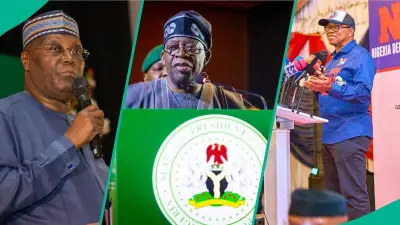
Former Vice President Atiku Abubakar has launched another presidential bid after winning the African Democratic Congress (ADC) primary. The 79-year-old lost to incumbent President Bola Ahmed Tinubu in the 2023 election, which he claimed was rigged. Although Atiku is undoubtedly a leading northern political figure, several influential powerbrokers remain firmly behind him.
As noted recently by Vanguard, for decades, Atiku cultivated relationships across northern political networks, business circles, old Peoples Democratic Party (PDP) structures, and elite negotiating blocs that still carry considerable influence. Even after exiting the PDP for the ADC, Atiku continues to attract powerful political figures who view him as a familiar bridge between competing interests.
Eyes on Serial Contestant Atiku
Around the perennial presidential candidate are experienced negotiators, former governors, defectors, and long-serving political administrators and operatives who understand the mechanics of national coalition-building. Figures such as Senators David Mark, Aminu Tambuwal, and Dino Melaye; former Osun governor Rauf Aregbesola; one-time Imo governor Emeka Ihedioha; ex-Cross River governor Liyel Imoke; and Dele Momodu have all, at different moments, been linked to broader opposition calculations involving Atiku's political camp or coalition discussions around the ADC space. His supporters argue that no opposition politician currently possesses a wider elite contact base across regions.
Atiku Faces North-South Political Dilemma
In parts of the north, especially among older political networks, Atiku still commands respect as a tested negotiator capable of balancing competing interests within a fragile federation. But the forces behind him also expose his greatest vulnerability. The same establishment connections strengthening his elite relevance increasingly weaken his appeal among younger voters searching for generational change. Even among some opposition sympathisers, there are quiet questions about whether Atiku still represents the future of opposition politics or merely its most familiar face. Within sections of the south, resistance to another northern presidency also complicates his pathway. Even some politicians sympathetic to Atiku privately acknowledge that the strongest anti-Tinubu coalition may eventually require a Southern candidate to neutralise zoning politics.
2027 Election: Northern Bloc Weighs Opposition Consolidation
That calculation is already shaping quiet conversations within elite northern circles. Across parts of the northern establishment, discussions have reportedly intensified around whether 2027 may ultimately require strategic consolidation behind one viable challenger rather than several competing northern figures. If that happens, Atiku could remain a central figure. If not, the anti-President Bola Tinubu vote may splinter too widely to pose a serious threat to the ruling All Progressives Congress (APC).
Powerful Forces Behind Atiku
- Experienced negotiators
- Former governors
- Defectors
- Long-serving political administrators
Earlier, Legit.ng reported that ahead of the 2027 elections, Atiku accused 'anti-democratic elements' of attempting to create confusion and dampen the momentum of the ADC. According to a statement by Atiku's media office, insinuations that he has quit active politics are fake news. From 1999 to 2007, he was vice president to Olusegun Obasanjo, the first Nigerian leader after the end of decades of military rule.