Opposition Leaders Demand Fresh Amendments to Newly Signed Electoral Act
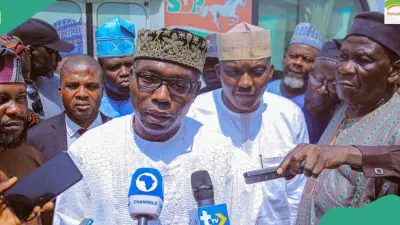
Prominent opposition leaders from the African Democratic Congress (ADC) and the New Nigeria Peoples Party (NNPP) have called for immediate amendments to the recently enacted Electoral Act 2026. The leaders made this demand during a press conference held on Thursday at the Lagos/Osun Hall, Transcorp Hilton in Abuja.
Assessment of the New Electoral Act
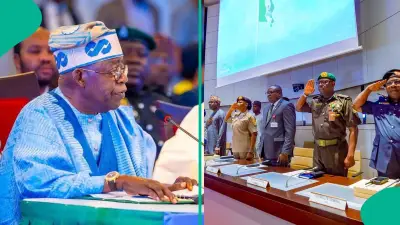
The opposition figures conducted a thorough assessment of the Electoral Act 2022 (Repeal and Re-enactment) Amendment Bill, 2026, which was signed into law by President Bola Tinubu last week. President Tinubu had previously noted that he closely followed the debate on the document at the National Assembly before giving his assent.
During the press conference, the leaders urged federal lawmakers to remove what they described as objectionable provisions contained in the new Act. They argued that certain sections of the legislation could undermine the integrity of future elections and called for a fresh amendment process to address these concerns.
Key Figures in Attendance
The press conference was presided over by NNPP National Chairman Ajuji Ahmed and attended by several high-profile opposition figures, including:
- Former Vice President Atiku Abubakar
- ADC National Chairman David Mark
- Alhaji Buba Galadima
- Mr. Peter Obi
- ADC National Secretary Ogbeni Rauf Aregbesola
- Mr. Rotimi Amaechi
- ADC National Publicity Secretary Mallam Bolaji Abdullahi
- Former Senator Dino Melaye
These leaders collectively represent significant opposition voices in Nigerian politics and their unified stance on the Electoral Act amendments signals potential political friction ahead of future electoral cycles.
Implications for Nigerian Democracy
The demand for fresh amendments to the Electoral Act comes at a critical juncture for Nigeria's democratic process. The opposition leaders emphasized that electoral legislation must be transparent, fair, and inclusive to ensure credible elections. Their call for revisions suggests they have identified specific provisions they believe could disadvantage opposition parties or compromise electoral integrity.
This development highlights ongoing tensions between the ruling party and opposition groups regarding electoral reforms. The outcome of this demand could significantly impact Nigeria's political landscape and the conduct of future elections.