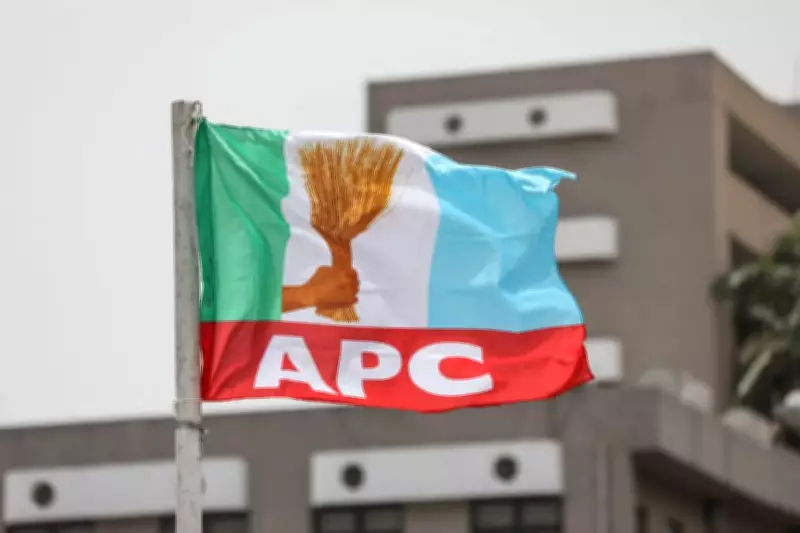
Unity, Structure, and Strategy: Inside the Significance of the APC National Convention
When I was notified of my addition to the Media and Publicity Committee for the upcoming national convention of the All Progressives Congress (APC), I felt a profound sense of honour and responsibility. Beyond the initial excitement, this appointment prompted deep reflection on the weight of the assignment and the broader importance of the convention itself. This event is not merely an internal gathering; it is a defining institutional process that speaks to the direction, strength, and future of the party at a critical juncture in Nigeria's political journey.
The Core Role of the National Convention
At its heart, the national convention serves as the highest decision-making assembly of the APC. It is where key officers of the National Working Committee and members of the National Executive Committee emerge through a structured and representative process. More importantly, it functions as a forum where political direction is clarified, and the framework that often guides zoning and power distribution ahead of general elections is shaped. In this sense, the convention is both administrative and strategic in equal measure, balancing organisational needs with long-term planning.
The 2026 Convention and Its Democratic Process
The 2026 convention is scheduled to take place at Eagle Square in Abuja, a venue that has become symbolic of major national political milestones. However, the event itself is only the culmination of a wider democratic process. Across Nigeria, party members have participated in a sequence of grassroots to national level engagements, beginning with ward meetings, followed by local government and state gatherings, and then zonal consultations. Each stage has contributed to building consensus, resolving interests, and preparing the ground for the final national assembly where decisions will be formalised, ensuring broad-based participation and legitimacy.
Historical Context and Party Evolution
Looking back, this will be the fourth major convention since the APC's formation. The inaugural convention in 2014 laid the foundation for a new political force. The 2018 elective convention strengthened internal structures, while the 2022 gatherings, both elective and special, played crucial roles in leadership transition and presidential nomination processes. Each of these moments has contributed to shaping the identity of the APC as a party capable of renewal and adaptation, demonstrating resilience in the face of political challenges.
Leadership Adaptability and Party Growth
The evolution of leadership within the APC has also reflected this adaptability. Changes at the national level have often been driven by the need to stabilise, reform, and reposition. The current leadership continues to emphasise unity, organisational discipline, and expansion. These qualities have been central to sustaining the party's relevance and managing its size and diversity. A large political platform requires not just numbers, but coordination and clarity of purpose, which the APC has strived to maintain through strategic initiatives.
Current Status and Zoning Arrangements
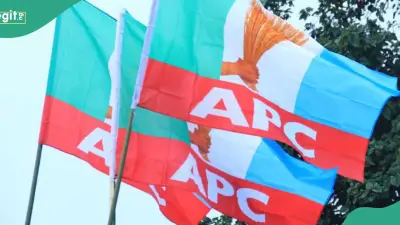
Today, the APC remains the largest political party in Nigeria, with a presence that cuts across regions and demographics. Its growth has been reinforced by the movement of several political figures and stakeholders into its fold over the years, further consolidating its influence. This expanding base is both a strength and a responsibility, requiring continuous engagement and effective internal management to maintain cohesion. A press statement signed by Felix Morka for the APC confirmed that the party will retain its existing zoning arrangement for National Working Committee positions ahead of the 2026 National Convention. The statement noted that this decision is intended to promote stability, equity, and balance across the geo-political zones. It further advised all aspirants to strictly comply with the zoning formula when purchasing nomination forms, stressing that the arrangement remains binding for the convention.
Presidential Alignment and Future Outlook
At the centre of the party's current direction is President Bola Ahmed Tinubu, who stands as the sole Presidential candidate of the APC. This level of alignment reflects a deliberate effort to maintain stability and focus. It also underscores the importance of the convention as a platform to reinforce unity and project confidence to members and observers alike. In many respects, this convention is expected to be decisive, shaping not only internal arrangements but also the broader political outlook. As the dates approach, there is a growing sense of anticipation across party structures. The APC continues to show resilience and expansion, positioning itself as a dominant force in Nigeria's political landscape. This convention is expected to energise members, strengthen bonds, and set a clear path forward. It promises to be a significant and memorable moment for all involved, and one that could well define the next phase of the party's journey.
Arabinrin Aderonke, an award-winning investigative journalist; 2016 finalist, CNN African Journalist Award; 2013 winner, Wole Soyinka Investigative Award, a policy analyst and good governance advocate, wrote from Abuja.