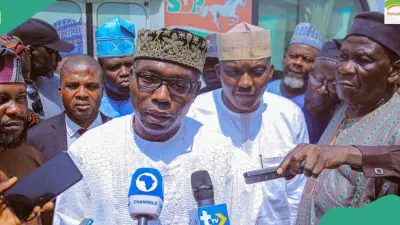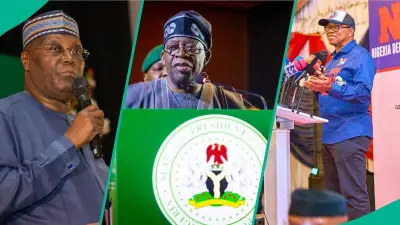
Stakeholders at the Nigeria Civil Society Situation Room have called for renewed efforts to strengthen democratic institutions and deepen accountability in Nigeria as the country prepares for the 2027 general elections. The Situation Room noted that although democratic governance has been sustained since 1999, critical challenges persist in electoral integrity, institutional coordination, security management and public trust.
Democracy Day Dialogue and Photo Exhibition
The Convener of the 2026 Democracy Day Dialogue and Photo Exhibition organised by the Nigeria Civil Society Situation Room, Zakaria Ya’u, warned that uninterrupted civilian rule since 1999 has not necessarily translated into genuine democratization. The event themed “June 12: From Symbolism to Systems Change, The Role of Civil Society in Sustaining Nigeria’s Democracy,” brought together civil society leaders, development partners, democracy advocates, and policymakers to assess the country’s democratic progress and chart a path toward credible elections in 2027.
Reflections on June 12
Ya’u reflected on Nigeria’s democratic journey from the June 12, 1993 election to the present, urging citizens to interrogate the quality of governance and democratic practice in the country. According to Ya’u, many democracy activists were sceptical when the military initiated a transition programme in the late 1980s, suspecting that the process concealed a hidden agenda. He recalled that the June 12, 1993 presidential election became a rallying point for democratic forces after its annulment, transforming it into a symbol of resistance against military rule and a demand for civilian governance.
Ya’u argued that democratic governance has failed to adequately deliver accountability and improved living conditions for many citizens. He said: “June 12 evolved into a major national symbol of the democratic struggle in Nigeria. It was the determination and resilience of Nigerians that compelled the military to conduct elections and ultimately transfer power to an elected civilian government in 1999. Over the years, we have witnessed a continuous deterioration in governance. We have seen increasing impunity among those in power. We have seen leaders become less accountable to the people and less responsive to the aspirations and concerns of Nigerians.”
He lamented rising unemployment, poverty and hunger across the country, stressing that Nigerians must continue to hold leaders accountable and strengthen democratic institutions. According to the organisation, with the 2027 general elections approaching, Nigeria faces a narrowing window to implement reforms capable of strengthening democratic institutions and rebuilding public confidence through citizen-centred accountability mechanisms.
Calls for Civic Participation
In his remarks, Head of Programme and Policy at ActionAid Nigeria, Celestine Okudili Odo, expressed concern that democratic reforms were yet to translate into meaningful improvements in the lives of ordinary Nigerians. He said: “The reforms are not translating into meaningful action. The children are still here, and that raises questions about the dividends of democracy.” Odo stressed the need for greater civic participation, particularly among young people, warning that political apathy was increasingly undermining democratic engagement. He lamented worsening insecurity, poverty, inequality, poor access to healthcare and food insecurity, arguing that many of the fundamental promises of democracy remain unfulfilled.
He added, “Ultimately, democracy should deliver tangible benefits to the people. Unfortunately, many Nigerians remain worse off. The issue of security remains unresolved. Insecurity is everywhere. People cannot move freely from one place to another, and many cannot even sleep peacefully in their homes.”
British High Commissioner's Tribute
Also speaking, the British High Commissioner to Nigeria, Dr. Richard Montgomery, paid tribute to Nigerian civil society organisations for their role in defending democratic values and promoting citizen participation over the years. Montgomery described democracy as a continuous process rather than a single event, noting that civil society had remained central to building democratic institutions, protecting human rights and ensuring accountability. He acknowledged the sacrifices made by many activists during military rule and subsequent democratic transitions, noting that civil society had consistently provided platforms for citizen engagement during periods of political crisis and reform.
He said: “Democracy, despite all its flaws, is the best system for enabling people to shape the decisions that affect their lives. The credibility of the next elections will be vital for public confidence in the democratic process and for Nigeria’s continued progress.” Montgomery added that civil society organisations would remain central to election monitoring, advocacy and citizen engagement ahead of the polls.
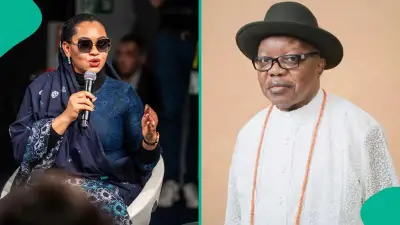
The dialogue featured contributions from prominent democracy advocates, including PLAC Executive Director, Clement Nwankwo; Executive Director of the Ene Obi Centre for Development, Ene Obi; and former member of the House of Representatives, Abdul Oroh.