Guinea-Bissau has been plunged into political turmoil after the National Electoral Commission revealed it cannot finalise the results of the recent presidential election because armed men stormed its offices and stole or destroyed the crucial vote tally sheets.
Chaos and Confusion After the Vote
The commission reported on Tuesday, December 2, that the brazen theft occurred on November 26. This was three days after the presidential and legislative elections held on November 23, and coincided with the very day the military seized power in the West African nation.
This act of disruption has left the fundamental question of who won the presidency completely unanswered. Both the incumbent, President Umaro Sissoco Embaló, and his main rival, opposition candidate Fernando Dias da Costa, had already claimed victory following the vote.
A Military Takeover and a Fleeing President
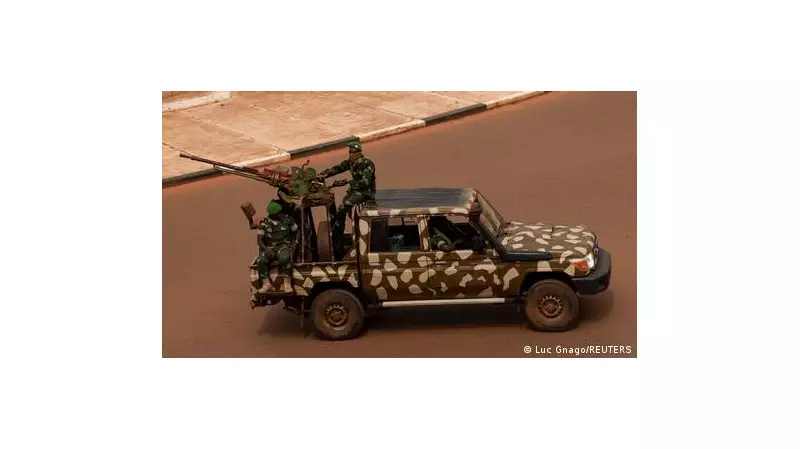
In the wake of these disputed victory claims, soldiers moved to take control of the country. The military installed former army chief of staff, General Horta Inta-a, as the head of a new military government. This junta is set to oversee a transitional period expected to last one year.
On Saturday, Inta-a appointed a new 28-member government. Reports indicate that most of the appointees are allies of the ousted president. President Embaló himself has fled the country, seeking refuge in the Republic of Congo's capital, Brazzaville.
Regional Reactions and a Controversial Assessment
The crisis has drawn reactions from across the region. Nigeria has confirmed that President Bola Tinubu granted protection to opposition candidate da Costa in response to what was described as an "imminent threat to his life."
Adding a controversial layer to the situation, former Nigerian President Goodluck Jonathan, who was in Guinea-Bissau leading the West African Elders Forum Election Observation Mission, stated that the military takeover was not a conventional coup. He insisted the election results must still be announced.
Jonathan described the events as strange, labelling the incident a "ceremonial coup." He argued the military's actions did not follow the usual pattern, pointing out that it was President Embaló himself who announced the coup while reportedly using his phone to speak to international media.
"Specifically, what happened in Guinea-Bissau was not a coup. Maybe, for want of a better word, I would say it was a ceremonial coup," Jonathan said. He questioned the credibility of the takeover, noting that military leaders do not typically allow an arrested president to communicate freely with the press.
Jonathan called on ECOWAS and the African Union to intervene and ensure the publication of the election results, which international observers believe were properly collated before the theft. The future of Guinea-Bissau now hangs in the balance as the region watches the unfolding crisis.