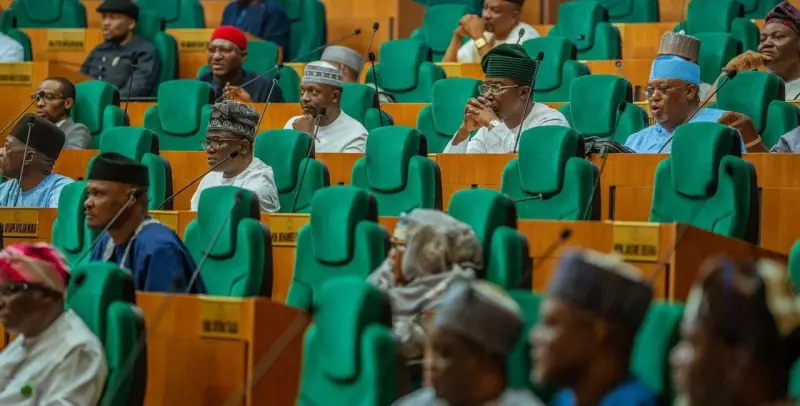
In a significant move that will reshape the financial landscape of future elections, the House of Representatives has approved a sweeping increase in the amount of money candidates can spend on their campaigns.
Major Revisions to Electoral Spending Caps
The decision was reached during a plenary session on Thursday, following a detailed review of proposed amendments to the Electoral Act 2022. The changes are part of legislative preparations ahead of the 2027 general elections.
The most eye-catching adjustment is for the nation's top office. The campaign expenditure ceiling for presidential candidates has been doubled, rising from 5 billion naira to a new maximum of 10 billion naira.
For gubernatorial races, the limit saw a triple increase. Candidates for state governor can now spend up to 3 billion naira, a substantial jump from the previous 1 billion naira cap.
New Limits for National and State Assembly Contests
The revisions extend down the ballot, significantly altering the financial playing field for legislative seats.
Senatorial candidates will now operate under a new ceiling of 500 million naira, a fivefold increase from the old limit of 100 million naira. For those seeking a seat in the House of Representatives, the permitted expenditure has been raised from 70 million naira to 250 million naira.
At the state level, the campaign spending limit for House of Assembly elections was increased from 30 million naira to 100 million naira.
Local Government and Donation Caps Also Adjusted
The amendments also cover local government elections. Candidates contesting for local government chairmanship positions can now spend up to 100 million naira, compared to the former limit of 30 million naira. For councillorship candidates, the cap was doubled from 5 million naira to 10 million naira.
In a related and equally impactful change, the House approved a tenfold increase in the maximum amount an individual or entity can donate to a candidate. The donation ceiling has been raised from 50 million naira to 500 million naira.
Broader Electoral Reforms and Next Steps
These spending limit revisions form part of a wider effort by lawmakers to reform Nigeria's electoral framework. Notably, on Wednesday, the House also approved a proposal mandating the real-time electronic transmission of election results.
It is crucial to note that these amendments are not yet law. The changes will only take effect after they receive concurrence from the Senate and final assent from the President. The legislative process will determine if these new financial thresholds become the standard for the 2027 polls and beyond.