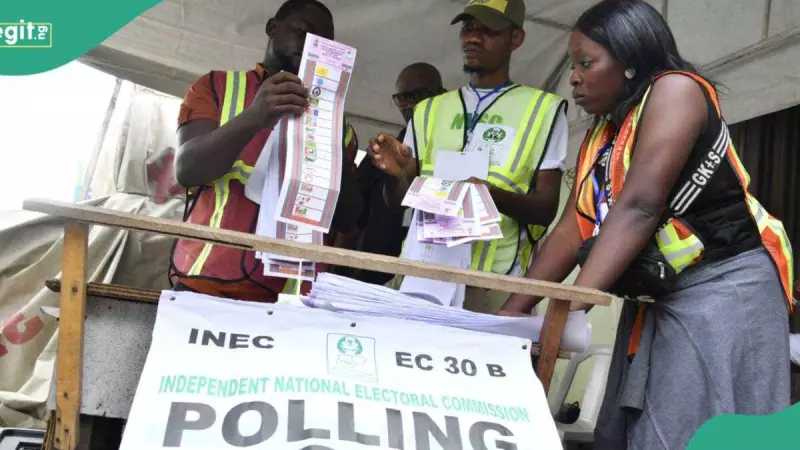
The Independent National Electoral Commission (INEC) has issued a firm denial against widespread rumours claiming it has published the official timetable and schedule of activities for Nigeria's 2027 general elections.
INEC's Official Rebuttal of False Claims
In a statement released on the night of Friday, January 2, 2026, the electoral umpire categorically labelled the circulating information as false and misleading. The statement was signed by Adedayo Oketola, the media adviser to the INEC chairman, and was made available to the press.
The commission explicitly declared, "INEC has not released any timetable or schedule of activities for the 2027 General Election." It urged the Nigerian public and all stakeholders to completely disregard the fake reports.
Legal Framework Governs Election Schedule
INEC emphasised that its operations are strictly bound by the provisions of Nigerian law. It specifically referenced Section 28(1) of the Electoral Act, 2022, which mandates the commission to publish a Notice of Election not later than 360 days before the appointed date for a general election.
The commission's statement was unequivocal: "Any timetable or schedule issued outside this statutory framework cannot emanate from INEC." This underscores the legal procedures that must be followed and invalidates any document not aligned with these rules.
Official Timetable to be Released in Due Course
While debunking the current rumours, INEC provided assurance to Nigerians about the forthcoming process. The commission promised that the authentic and official timetable and schedule of activities for the 2027 polls will be released in due course.
This official release will be done in full compliance with the 1999 Constitution of Nigeria and the Electoral Act, 2022. INEC further stated that once the timetable is ready, it will be communicated through the commission's established and verified official channels.
The swift denial aims to prevent misinformation and maintain public trust in the electoral process, ensuring all planning and campaigns are based on accurate and legally-sanctioned information.