INEC's 2027 Election Timetable Ignites Ramadan Overlap Concerns
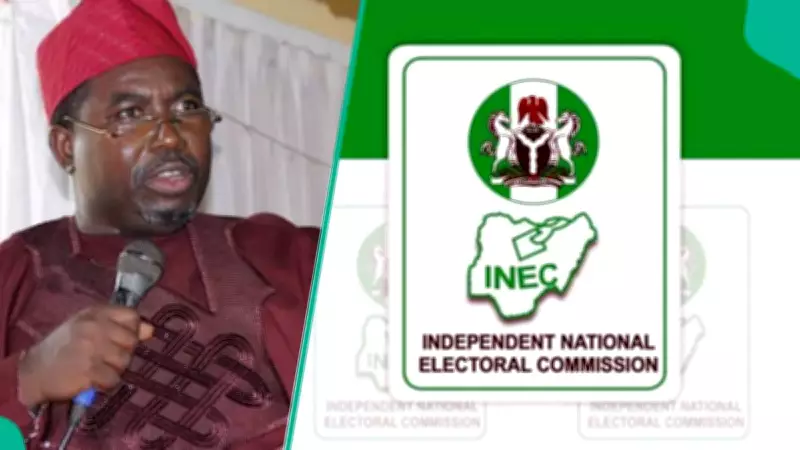
The Independent National Electoral Commission (INEC) has officially unveiled the timetable for Nigeria's 2027 general elections, setting key dates for voting, party primaries, campaigns, and voter registration. This announcement, made on Friday, February 13, 2026, comes amid ongoing delays in the passage of the amended Electoral Act, which remains under consideration by the National Assembly.
According to the released schedule, the Presidential and National Assembly elections are slated for Saturday, February 20, 2027, with Governorship and State House of Assembly elections following two weeks later on Saturday, March 6, 2027. However, this timeline has sparked significant controversy due to its overlap with the holy month of Ramadan, a period of fasting, prayer, and spiritual reflection for Muslims.
Bashir Ahmad Calls for Inclusive Scheduling
Bashir Ahmad, a former personal assistant on new media to the late ex-president Muhammadu Buhari and a chieftain of the ruling All Progressives Congress (APC), has publicly questioned the election dates. In a statement posted on X (formerly Twitter), Ahmad urged INEC to reconsider the timetable to ensure broader participation.
He emphasized that scheduling elections during Ramadan may present challenges for Nigeria's significant Muslim population, as many devote time to religious obligations and reduce engagement in demanding worldly activities. Ahmad stated, "If the intention is to encourage full and inclusive participation in the electoral process, scheduling such a critical national exercise during Ramadan may present challenges for a large segment of the population."
He added, "I do hope this observation will be taken in the spirit of inclusiveness and national cohesion." This call highlights growing concerns among political stakeholders about voter accessibility and fairness in the electoral process.
Background and Broader Implications
INEC had previously indicated on February 4, 2026, that it had completed work on the election timetable despite the delayed Electoral Act amendments. The commission's announcement has drawn attention to other electoral issues, such as diaspora voting, which INEC's chairman mentioned in recent meetings with resident electoral commissioners (RECs). Diaspora voting would allow non-resident Nigerians to participate in elections, though it remains under discussion.
The controversy underscores the need for careful planning in Nigeria's democratic processes, balancing logistical requirements with cultural and religious sensitivities. As the 2027 elections approach, adjustments to the timetable could be crucial for ensuring high voter turnout and maintaining public trust in the electoral system.
This development follows earlier reports of INEC offices being relocated and discussions on electoral reforms, reflecting ongoing efforts to improve Nigeria's electoral infrastructure. The outcome of these debates will likely influence future election schedules and policies.