As Nigeria looks towards the 2027 general elections, Kaduna State is rapidly transforming into a major political battleground. Power brokers from the leading parties are engaging in intense strategic manoeuvres, with shifting alliances and high-stakes power plays defining the pre-election atmosphere.
The Triad of Influence and the Security Imperative
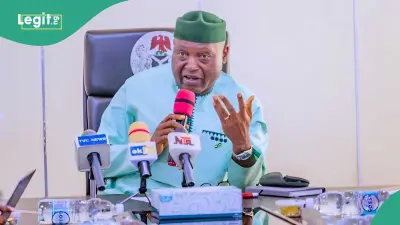
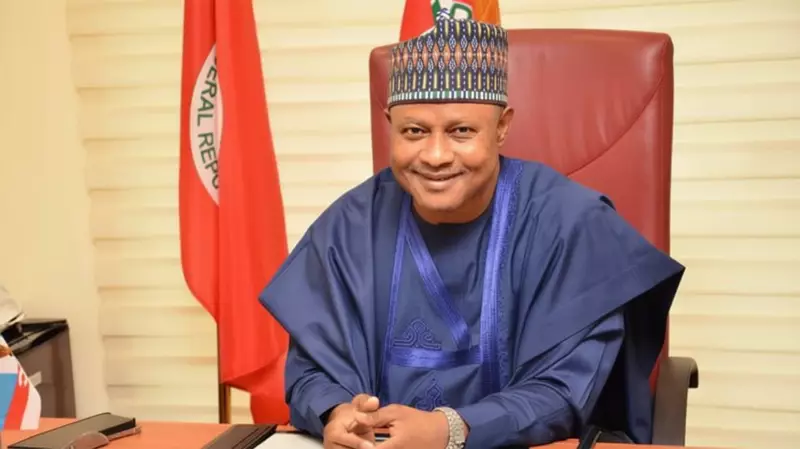
The political landscape of Kaduna for 2027 will be heavily influenced by three key figures: the incumbent Governor, Senator Uba Sani, and his two prominent predecessors, Senator Ahmed Makarfi and Nasir el-Rufai. Their strategies and conflicts will play out against the persistent backdrop of insecurity, a issue that historically dictates voter turnout in the state.
Analysts believe the performance of the Uba Sani administration in tackling lingering banditry, rural displacement, and restoring public confidence will be the central theme. This record will determine whether voters see continuity as stability or stagnation. Beyond governance, the configuration of elite coalitions remains crucial. Kaduna politics has always revolved around influential individuals who mobilise ethnic, religious, and regional loyalties, often transcending formal party labels.
Party Dynamics and the Collapse of Elite Consensus
The supremacy battle among political parties adds another layer of complexity. The ruling All Progressives Congress (APC) aims to consolidate power despite internal recalibrations. The main opposition, the Peoples Democratic Party (PDP), struggles to reinvent itself as a credible alternative. Meanwhile, the African Democratic Congress (ADC) is gaining a higher profile, hoping to capitalise on voter fatigue and elite discontent with the established platforms.
A disruptive development shaping this atmosphere is the collapse of the elite consensus following major defections after the 2023 polls. The most significant of these was the exit of former governor Nasir el-Rufai from the APC. His departure did more than weaken the party; it fractured the very political architecture that engineered the succession of Uba Sani.
Now repositioned as an external disruptor, el-Rufai looms as a wildcard. His ability to mobilise old networks and shape elite sentiment raises the prospect of proxy battles and cross-party alliances rather than a smooth, incumbency-driven transition. Smaller parties like the ADC are feeding on this instability, attracting politicians alienated by both the APC's internal tensions and the PDP's decline.
APC's Dominance and Internal Challenges
Despite these tensions, the APC remains the single most consequential force in Kaduna. Since 2015, the party has entrenched itself across all levels of government. Governor Uba Sani's governing style marks a clear departure from his predecessor's confrontational approach. He has prioritised dialogue, reconciliation, and broad-based outreach to traditional rulers, religious leaders, and former opponents.
This inclusive strategy, according to officials like the Commissioner for Internal Security, Dr. Suleiman Shuiabu, has helped reposition Kaduna as a space for renewed cooperation. It has also strengthened the APC's numerical advantage. However, dominance brings its own risks. As 2027 nears, internal ambitions and succession calculations may test the party's cohesion more severely than any external opposition.
The ADC Challenge and El-Rufai's Gambit
The defection of Nasir el-Rufai to the ADC has fundamentally altered the political conversation in the state. Once a fringe party, the ADC has gained significant strategic relevance. El-Rufai brings not just name recognition but access to elite networks, technocrats, and sections of the urban middle class.
Ibrahim Musa, the ADC Organising Secretary in Kaduna, boldly claims it will not be difficult to unseat Governor Sani, stating, "el-Rufai installed him in 2023, and it won't be difficult to get him out." He argues the drive is based on performance, not personal animosity.
However, the APC remains confident. Yahaya Pate, the Kaduna State APC Secretary, dismissed any notion of the ADC's threat. He highlighted Governor Sani's record in education, health, infrastructure, and tackling insecurity. "We are not disturbed by the rantings of el-Rufai and his ADC cronies. We are confident of winning the 2027 elections," Pate stated.
Why Kaduna Matters on the National Stage
Kaduna's importance cannot be overstated. With the second-largest voting population in the North-West after Kano, it is a key electoral prize. The 2023 presidential election results underscored its battleground status, where the PDP's Atiku Abubakar won the state, followed by the APC's Bola Tinubu and the Labour Party's Peter Obi.
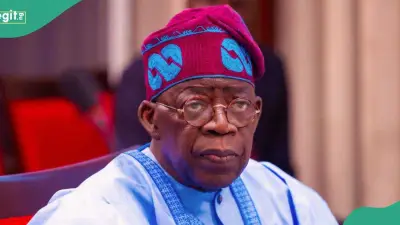
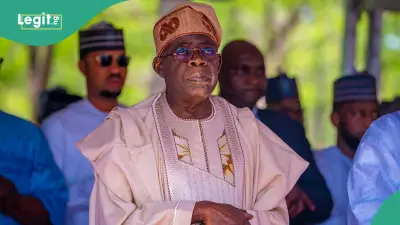
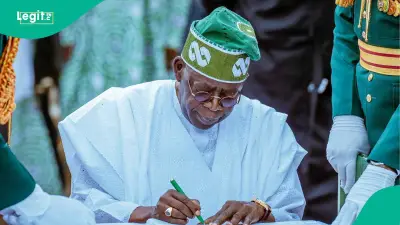
This fragmentation signals growing voter disaffection and confirms Kaduna is no longer a safe stronghold for any single party. For President Tinubu's 2027 re-election bid, Kaduna's support will be crucial, likely cementing his alliance with Governor Sani. Conversely, el-Rufai's influence within the ADC could be pivotal in swaying the state's votes towards a viable opposition presidential candidate.
Ultimately, the 2027 contest in Kaduna is shaping up as a complex referendum on power, loyalty, and governance. While continuity under the APC appears plausible, the final outcome will hinge on security improvements, economic realities, and the ability of emerging pressures to upset the current balance of power before the polls.